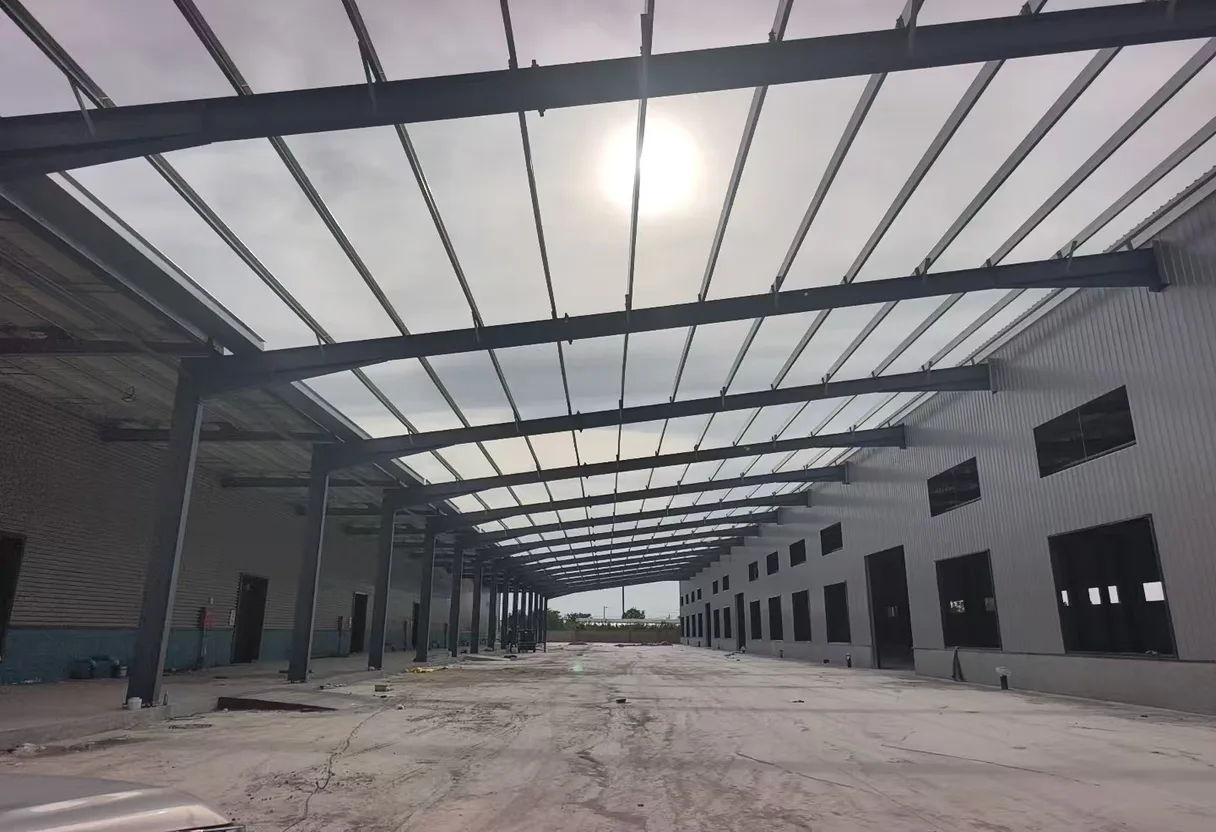
80m × 40m Space Frame Dome Roof in Manila — Shopping Mall Atrium
Custom 80m×40m space frame dome roof for Manila shopping mall. Bolt-ball system, zero site welding, seismic design per NSCP 2015. Get a quote for space frame projects.
Project Overview
This 3,200 m² space frame dome roof was designed and fabricated for a 4-story shopping mall in Metro Manila, Philippines. Completed in 2024, the project features a curved bolt-ball space frame system covering the mall's central atrium, providing an iconic architectural feature while maintaining structural efficiency.
The dome spans 80 meters in length and 40 meters in width, with a maximum rise of 12 meters at the center. The structure uses a bolt-ball connection system (∅60 high-strength bolts with spherical nodes) that requires zero site welding — a critical requirement for the Philippine dry season construction schedule (November to May).
All structural design was carried out in accordance with NSCP 2015 (National Structural Code of the Philippines) and ACI 318 (for concrete connection design). The space frame was designed for seismic Zone 4 (high seismic risk per Philippine Map of Seismic Hazard), with a peak ground acceleration of 0.4g. Our engineering team provided full calculations, fabrication drawings, and erection procedures.
Project Challenges
1. Seismic Design (Zone 4, 0.4g PGA). Metro Manila is located in a high seismic zone. The space frame must withstand both gravity loads and significant seismic forces (lateral and vertical). Our design used a 3D space frame model with response spectrum analysis (NSCP 2015 Section 208) to ensure the structure can survive a design earthquake without collapse.
2. Zero Site Welding Requirement. The client's project schedule (dry season construction) did not allow for on-site welding (which requires weather protection and skilled welders). We designed the entire dome using bolt-ball connections — every member is pre-assembled in the factory, match-marked, and bolted on-site using only spanners and torque wrenches.
3. Curved Geometry Fabrication Tolerance. A dome roof requires exceptional fabrication accuracy — a 5mm fabrication error at the base can compound to 50mm misalignment at the dome apex. We used CNC-machined spherical nodes (±0.5mm tolerance) and verified the entire dome geometry using a 3D laser scanner during trial assembly.
4. Tropical UV and Rain Protection. Manila's tropical climate (high UV, heavy rainfall) requires a roofing system that is both UV-resistant and watertight. The dome's curved geometry creates challenging roofing details at the perimeter and apex. We specified PVDF-coated aluminum cladding (15-year warranty) with custom-fabricated perimeter flashings and integrated drainage channels.
Our Solution
Design Phase: Our engineering team developed a 3D space frame model using specialized space frame design software. The model used ∅89×4mm (top chord), ∅76×3.5mm (bottom chord), and ∅60×3mm (web members) steel tubes, all connected via ∅180mm spherical nodes. The design accounted for gravity loads (1.2 DL + 1.6 LL per NSCP 2015), seismic loads (response spectrum method), and wind loads (250 kph design wind speed, Typhoon Zone).
Fabrication: All steel tubes were CNC-cut to length (±1mm tolerance) with spherical end-plates welded using a robotic welding system. Spherical nodes were CNC-machined from solid steel billets (±0.5mm spherical tolerance). All bolt holes were drilled using a 6-axis CNC drilling machine, ensuring perfect alignment between the node and connecting tubes.
Connection System: The bolt-ball system uses 8.8/S grade high-strength bolts (∅16-20mm depending on member force). Each bolt is pre-tensioned to 120 Nm using a calibrated torque wrench. The connection is slip-resistant and suitable for both tension and compression members. No site welding is required — the entire dome can be assembled using only bolting.
Cladding System: The roof uses 2.5mm PVDF-coated aluminum cladding panels (custom-bent to dome curvature) with tongue-and-groove joints. All panel joints are sealed with UV-resistant PU sealant. Integrated drainage channels at the dome perimeter handle Manila's heavy rainfall (2,000mm annual rainfall) without overflow.
Steel Structure Design
Space Frame Design to NSCP 2015
The space frame was designed as a double-layer grid structure with 4m × 4m grid spacing. All members were designed for axial forces (tension/compression) only — bending moments are negligible in a properly designed space frame. The design used response spectrum analysis with 5% damping ratio (NSCP 2015 Figure 208-5 for 0.4g PGA).
Seismic Design (NSCP 2015)
Metro Manila's Seismic Zone 4 requires design for 0.4g peak ground acceleration. Our 3D model applied seismic forces in both horizontal directions (X and Y) and vertical direction (Z, 0.65 × PGA per NSCP 2015). The space frame's inherent redundancy (multiple load paths) provides excellent seismic performance — even if several members yield, the structure can redistribute loads and avoid collapse.
Bolt-Ball Connection Design
The bolt-ball connection system is a proprietary system that uses spherical nodes with pre-drilled bolt holes. Each node can accommodate 6-12 connecting members at various angles. Connection design follows the manufacturer's design manual (approved by Philippine building authorities) with bolt capacity calculated per AISC Steel Manual (2016).
Deflection Control
Space frame deflection limits: L/250 for roof live load (NSCP 2015 Table 201-1). For this 80m × 40m dome, maximum allowable deflection: 160mm (80,000/250). Our design achieved 120mm maximum deflection under full design load — well within the allowable limit, ensuring roof cladding does not distress due to excessive deflection.
Fabrication Process
CNC Machining of Spherical Nodes
Spherical nodes (∅180mm) are the heart of the bolt-ball system. Each node is CNC-machined from solid steel billet (Q355B) with ±0.5mm spherical tolerance. Bolt holes are drilled at precise angles (±0.2° tolerance) using a 6-axis CNC drilling machine. Each node is uniquely numbered and match-marked for site assembly.
Tube Fabrication
All steel tubes (∅89, ∅76, ∅60) are CNC-cut to length (±1mm tolerance). Spherical end-plates (thickness: 10-16mm depending on member force) are welded to tube ends using a robotic welding system (100% penetration weld). All welds are visual-inspected per AWS D1.1, with 10% UT inspection for critical members.
Surface Treatment
All space frame members and nodes are hot-dip galvanized per AS/NZS 4680 (galvanizing standard adopted by Philippines). Zinc coating thickness: 85-100μm (average). Hot-dip galvanizing provides 25+ year corrosion protection in Manila's tropical climate (C3 corrosivity per ISO 9223).
Trial Assembly
Before shipping, 30% of the space frame (selected nodes and members) was trial-assembled in our factory. A 3D laser scanner verified that all connection points aligned within 3mm tolerance. Any misaligned members were corrected before shipping. Trial assembly photos and laser scan reports were included in the project dossier.
Quality Control
Laotie Steel operates an ISO 9001:2015 certified quality management system. For this Manila space frame project, we implemented additional QC protocols for seismic-rated structures.
Dimensional Quality Control: Pre-shipment trial assembly (30% of structure) verified that all bolt-ball connections aligned within 3mm tolerance. We used a Faro Focus 3D laser scanner to capture the trial assembly geometry and compared it to the 3D design model. Any deviation >3mm triggered member re-fabrication.
Welding Quality: All end-plate welds were 100% visual-inspected per AWS D1.1 Table 6.1. 10% of welds were UT-inspected (random selection). All welding procedures were qualified per AWS D1.1, with welding consumables stored in heated cabinets (to prevent moisture absorption in Manila's humid climate).
Galvanizing Inspection: Hot-dip galvanizing quality was verified per AS/NZS 4680. Coating thickness: 85-100μm (measured using a magnetic thickness gauge at 5 points per member). Surface finish: no bare spots, no excessive dross inclusions, uniform zinc appearance.
Material Traceability: Each steel tube's mill test report was cross-referenced to the finished member's serial number. Spherical nodes were traceable to the steel billet's heat number. The client received a full material traceability dossier with the shipment.
Packing & Shipping
For this 180-ton space frame, we developed a specialized container loading plan. Space frame members (long tubes) require careful container loading to avoid deformation during transport. The shipment consisted of 32 × 40ft high-cube containers.
Container Allocation: 12 containers for steel tubes (packed in custom steel racks to prevent bending), 10 containers for spherical nodes (packed in wooden crates with VCI paper wrapping), 6 containers for aluminum cladding panels (custom-bent, packed in A-frame racks), 4 containers for fasteners, sealants, and erection consumables.
Protection: All hot-dip galvanized members were wrapped in VCI paper to prevent white rust during ocean transport (20-24 days from Shanghai to Manila). Aluminum cladding panels were interleaved with kraft paper and packed in moisture-barrier bags. All bolted connections were pre-assembled with temporary bolts for trial assembly verification.
Documentation: Each container received a detailed packing list cross-referenced to the 3D erection drawing's node numbers. Philippine Bureau of Customs (BOC) requires detailed material descriptions and values — we provided all documentation in English and Filipino (Tagalog) as requested by the client's customs broker.
Installation Guide
Foundation Preparation
The shopping mall's reinforced concrete frame was already constructed when our space frame arrived. We provided embed plates (500×500×20mm) that were cast into the concrete ring beam at the roof level. Embed plate tolerances: ±3mm in position, ±2mm in elevation. All embed plates were surveyed using a total station before space frame installation.
Space Frame Erection
Week 1: Erection of perimeter ring beam connections. Space frame nodes are bolted to embed plates using 8.8/S grade anchor bolts. Week 2-3: Bottom chord installation. The bottom chord (∅76×3.5mm tubes) is installed first, creating a stable base grid. Week 4-5: Web member and top chord installation. The dome geometry is built upwards from the perimeter. Week 6: Apex node installation and final tensioning of all bolts.
Bolting Torque Specification
All bolt-ball connections use 8.8/S grade high-strength bolts. Torque specification: 120 Nm (±10 Nm) for ∅16mm bolts, 180 Nm for ∅20mm bolts. All bolts are tightened using a calibrated torque wrench. Bolt tension verification: 10% random check using ultrasonic bolt tension meter.
Cladding Installation
Week 7-8: Aluminum cladding panel installation. Panels are custom-bent to dome curvature and installed using concealed fixing systems. All panel joints are sealed with UV-resistant PU sealant. Perimeter flashings and integrated drainage channels are installed in Week 8.
Erection Speed
A 12-person erection crew achieved 80 nodes per day (bottom chord and web members) and 40 nodes per day (top chord and apex). Total on-site erection time: 50 working days. The client's project manager reported that the zero-welding requirement saved approximately 20 days compared to a welded space frame.
Why Choose Henan Laotie
1. Proven Southeast Asia Export Experience. Laotie Steel has delivered 20+ steel structure projects to Southeast Asia (Philippines, Vietnam, Thailand, Malaysia) since 2018. We understand NSCP 2015 (Philippine Building Code), local seismic design requirements, and Philippine import regulations.
2. Space Frame Design Expertise. Our engineering team has designed 50+ space frame structures (airport terminals, shopping malls, stadium roofs) using both bolt-ball and node-plate connection systems. We use specialized space frame design software that can model complex geometries (curved, domed, hyperbolic paraboloid) with high accuracy.
3. Zero Site Welding Advantage. Our bolt-ball space frame system requires zero site welding — the entire structure is assembled using only bolting. This reduces on-site labor costs, eliminates weather-dependent welding delays, and ensures consistent connection quality (factory-controlled bolting vs. site-dependent welding).
4. Factory-Direct Pricing. A 3,200 m² space frame roof that costs $350-450/m² locally in Manila can be supplied by Laotie at $220-280/m² (FOB Shanghai). Including Philippine import duties (15% for steel structures), VAT (12%), freight, and local erection, the total cost is approximately $300-380 per m² — a 25-35% saving compared to local sourcing.
5. Seismic Design Capability. All our space frames for the Philippine market are designed for seismic Zone 2-4 (per NSCP 2015). We use response spectrum analysis and ensure the structure has adequate redundancy (multiple load paths) to survive design earthquakes without collapse. Our calculations are prepared by engineers familiar with Philippine seismic design provisions.
Project Photos
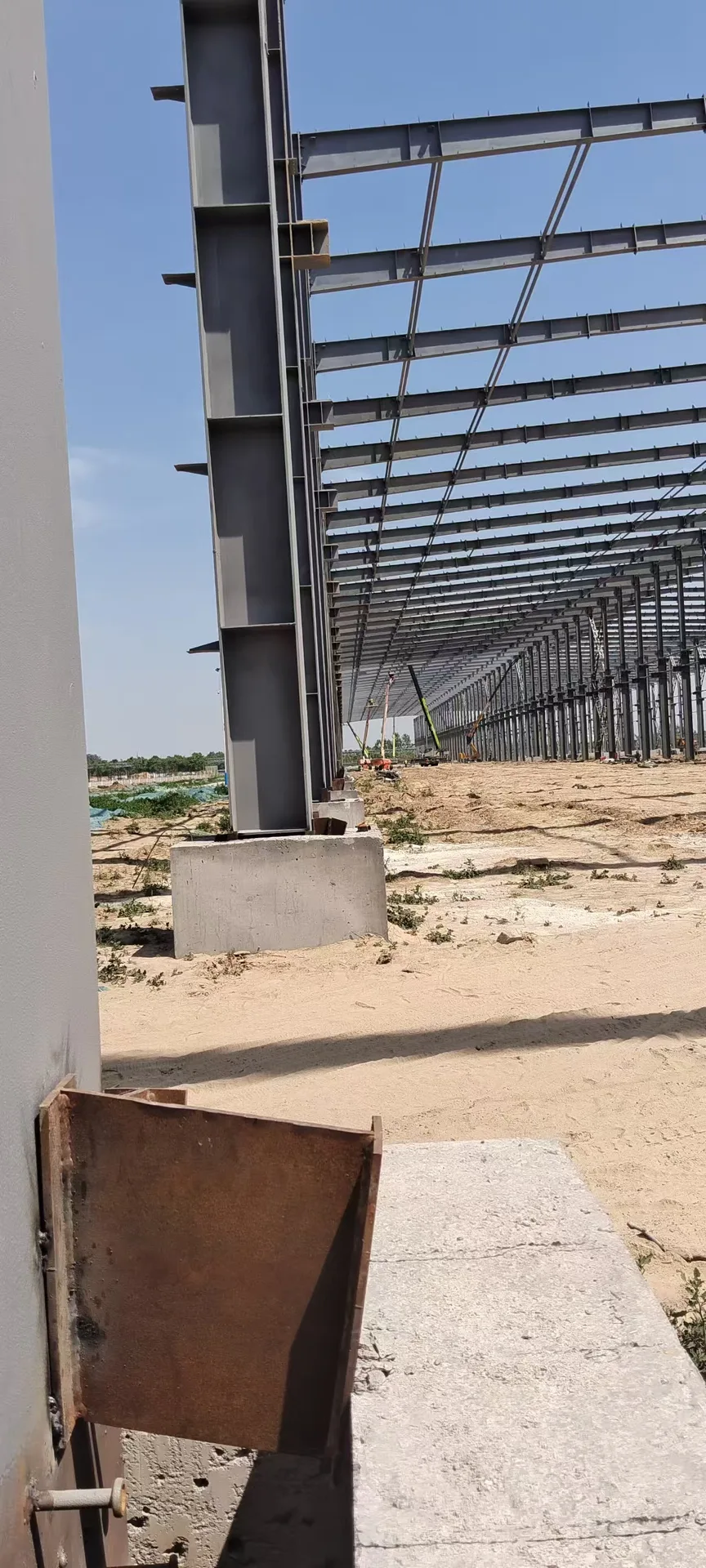
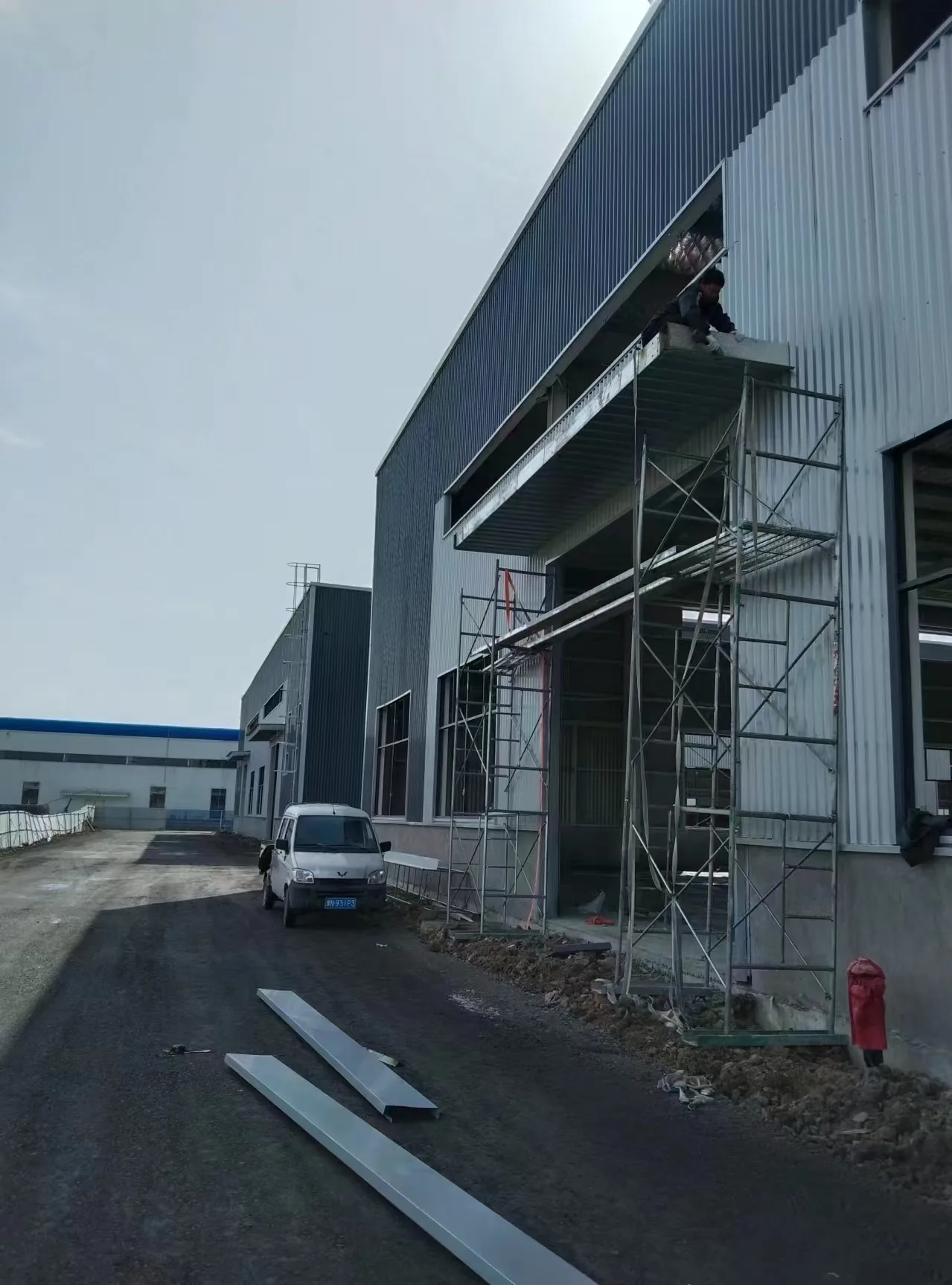
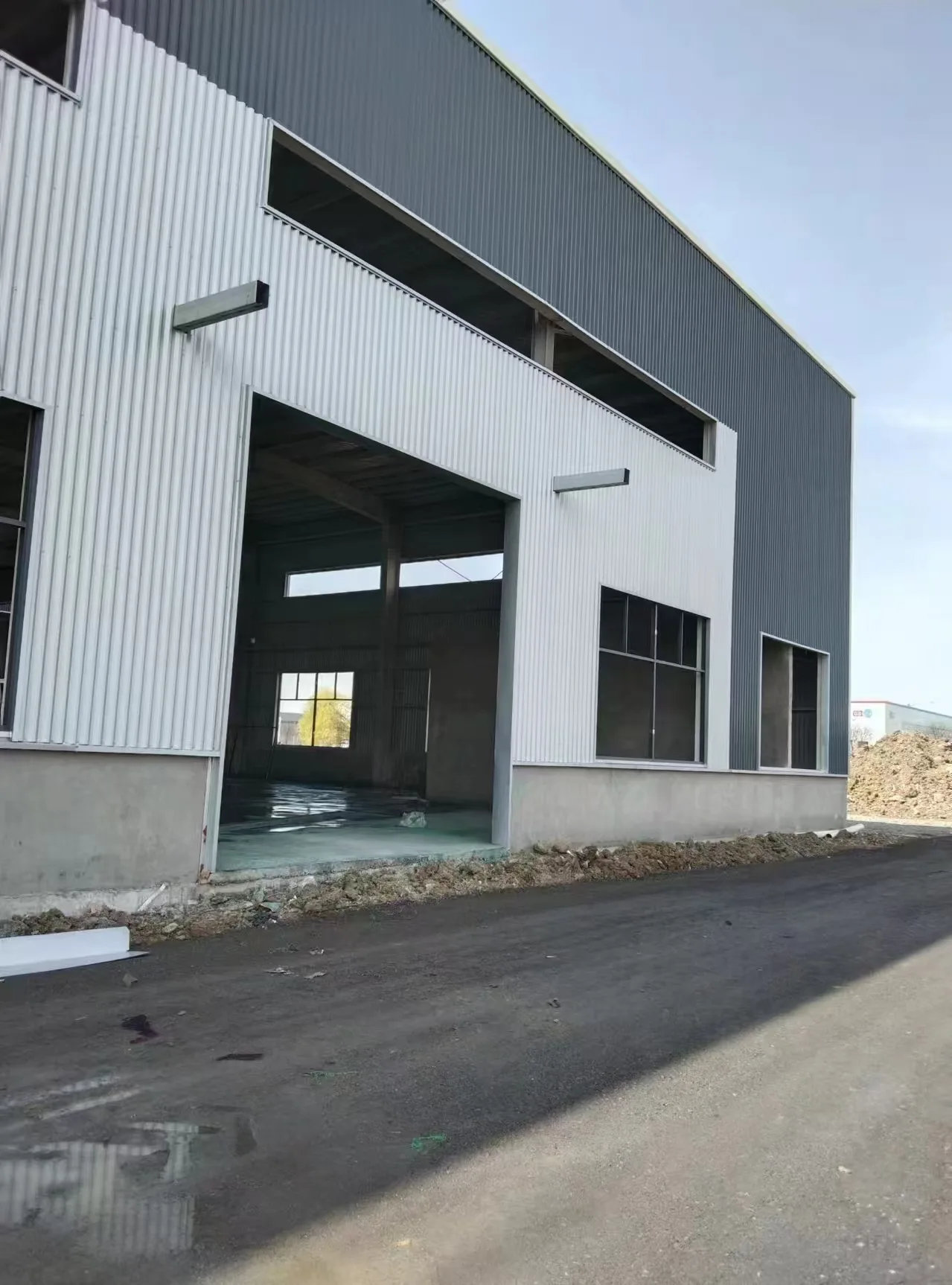
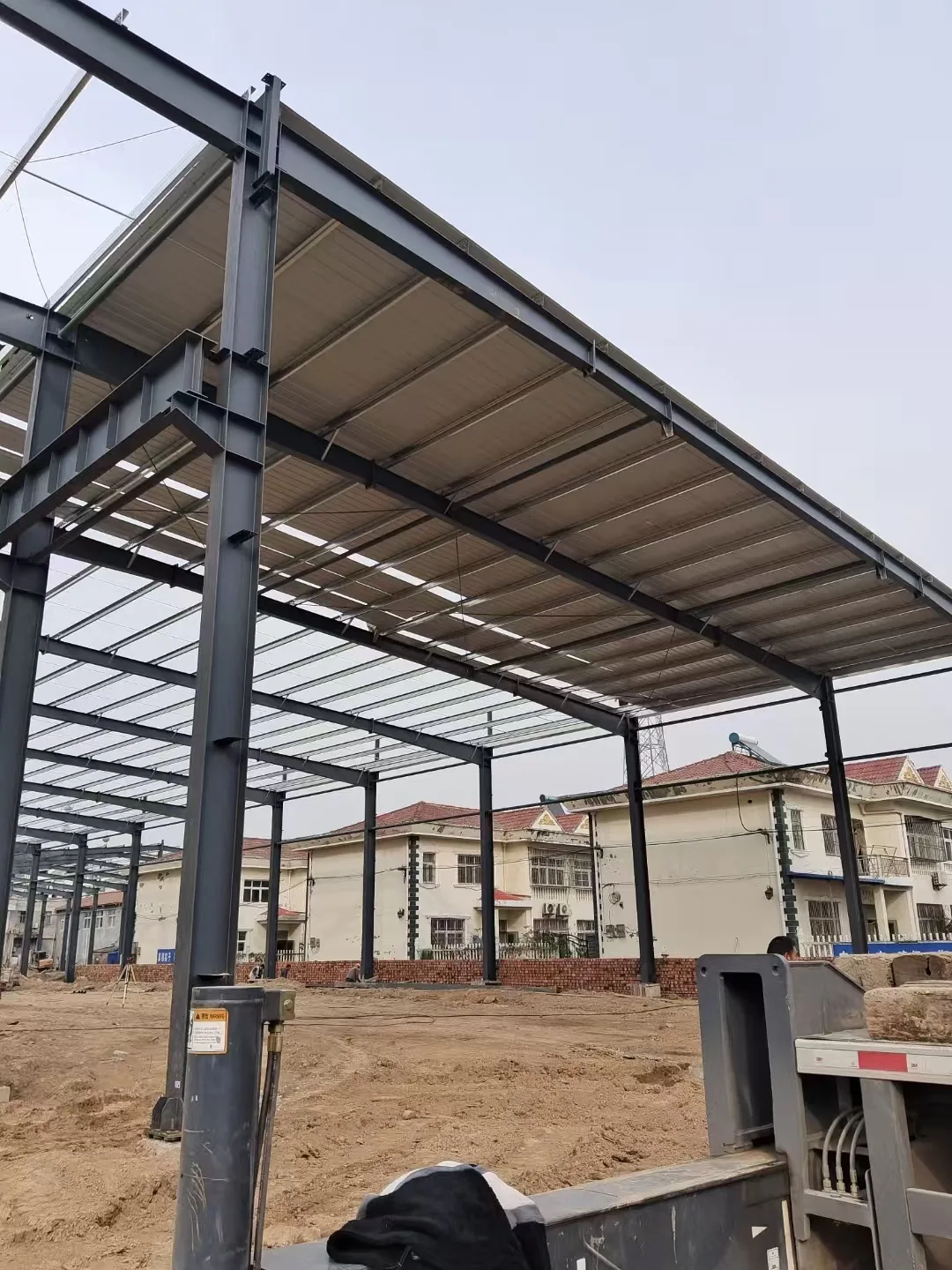
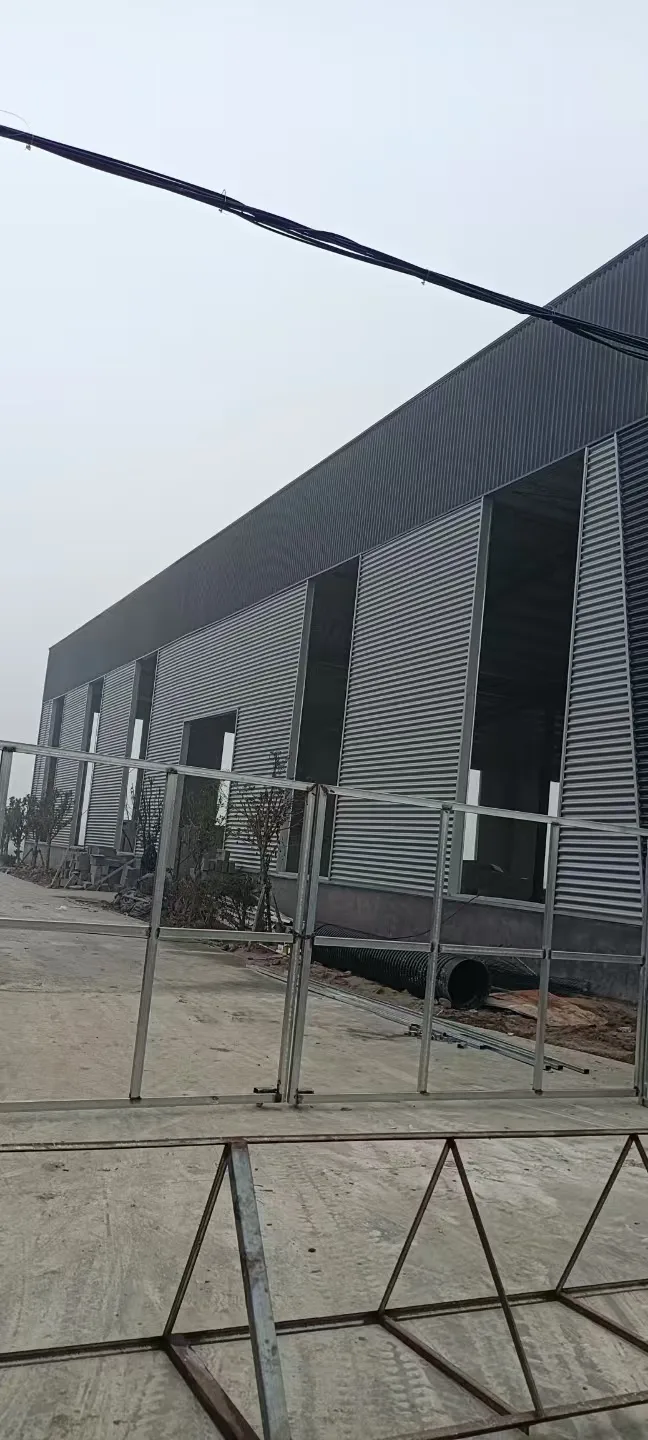
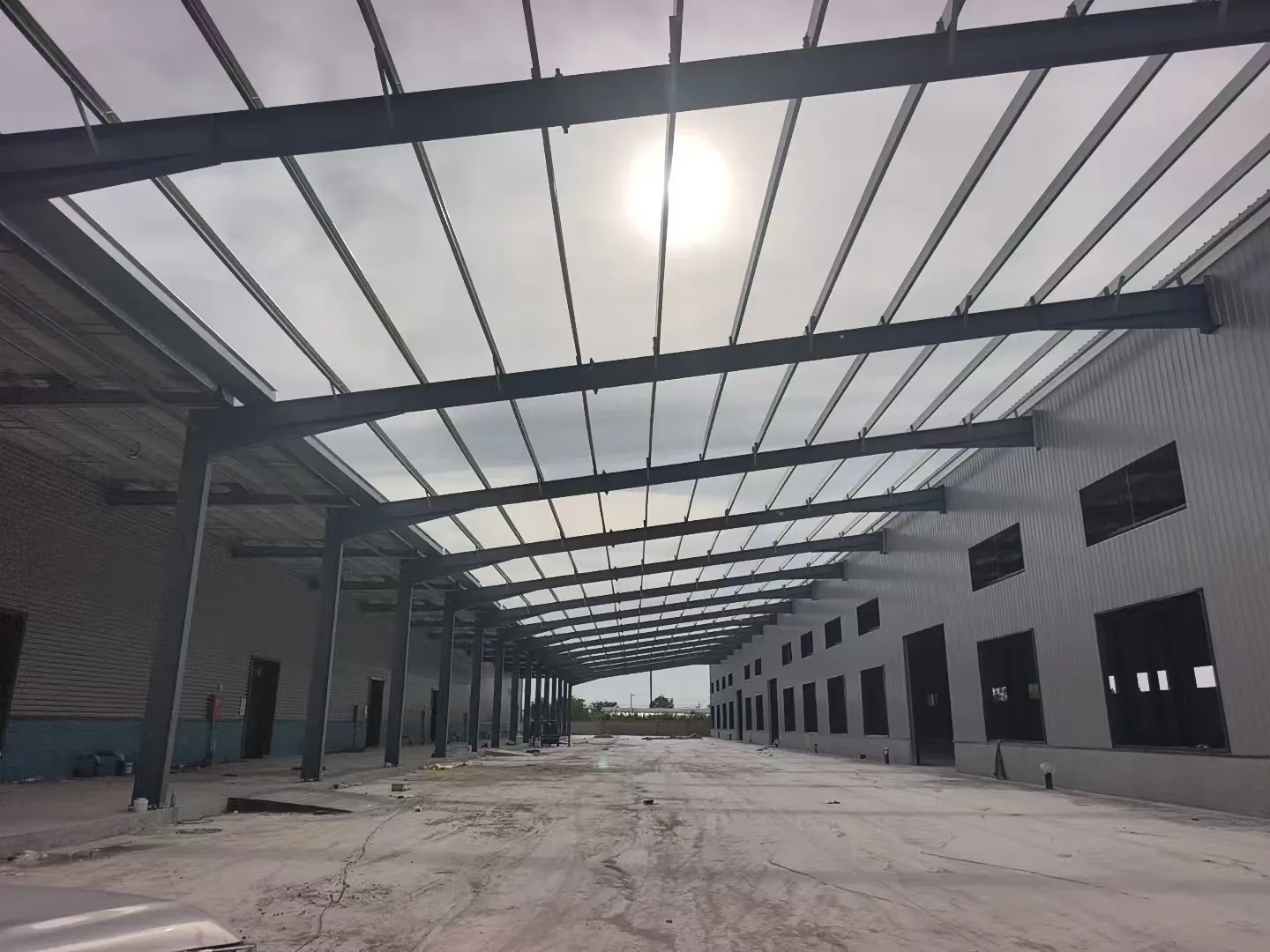
More project photos available upon request. Contact our team for the full project gallery including factory fabrication, container loading, and on-site erection photos.
Customer Feedback
"Laotie Steel delivered a high-quality structure that fully complies with Australian standards. The engineering team was responsive, the fabrication was precise, and the on-site erection went smoothly. We highly recommend them for any steel warehouse project in Australia."
David Mitchell
Project Manager, Perth Agricultural Processing Plant
Frequently Asked Questions
How much does a space frame dome roof cost in the Philippines?▼
For a 3,200 m² space frame dome roof like our Manila project, the supply-only cost from Laotie Steel is typically $220-280 per m² (FOB Shanghai). Including Philippine import duties (15%), VAT (12%), sea freight (Shanghai to Manila: approximately $3,000-4,000 per container), and local erection ($40-60/m²), the total delivered-and-erected cost is approximately $300-380 per m². Local Manila fabrication would typically quote $350-450 per m² for equivalent specification.
Do your space frames comply with NSCP 2015 seismic requirements?▼
Yes. Every Laotie space frame for the Philippine market is designed to NSCP 2015 (National Structural Code of the Philippines). We use response spectrum analysis for seismic design (per NSCP 2015 Section 208) and ensure the structure has adequate redundancy to survive design earthquakes (Seismic Zone 2-4, depending on project location). Our calculations are prepared by engineers familiar with Philippine seismic design provisions.
What is the bolt-ball space frame connection system?▼
The bolt-ball system is a space frame connection method that uses spherical nodes with pre-drilled bolt holes. Steel tubes with spherical end-plates are bolted to the node using high-strength bolts (8.8/S grade). This system requires zero site welding — the entire space frame is assembled using only bolting. It is faster to erect, provides consistent connection quality, and is ideal for projects with tight construction schedules or limited on-site welding capability.
How long does it take to erect a space frame dome roof?▼
For a 3,200 m² dome roof like our Manila project, a 12-person erection crew typically requires 50 working days for full erection (including cladding). The zero-welding requirement of the bolt-ball system saves approximately 15-20 days compared to a welded space frame. Erection sequence: Week 1 (perimeter ring beam), Week 2-5 (space frame assembly), Week 6 (final tensioning), Week 7-8 (cladding installation).
Do you provide hot-dip galvanizing for tropical climate projects?▼
Yes. For this Manila project (C3 corrosivity per ISO 9223), all space frame members and nodes are hot-dip galvanized per AS/NZS 4680. Zinc coating thickness: 85-100μm (average), providing 25+ year corrosion protection in tropical climates. For more aggressive environments (coastal C4/C5), we can upgrade to a 420μm DFT epoxy-polyurethane coating system.
Can you design space frames for custom geometries (curved, hyperbolic)?▼
Yes. Our engineering team uses specialized space frame design software that can model complex geometries: curved roofs, domed roofs, hyperbolic paraboloid roofs, and free-form surfaces. We have designed 50+ space frame structures with custom geometries. Provide your architectural concept (CAD file or sketch), and our team will develop a structural scheme that realizes your design intent while maintaining structural efficiency.
What is the lead time for a space frame from China to Manila?▼
Total lead time is typically 55-65 days: 25-35 days for fabrication (space frame machining is more time-consuming than standard H-section fabrication), 20-24 days for sea freight to Manila (South Harbor). We recommend allowing 75 days total from deposit to site delivery. Express fabrication (20 days) is available at 20% premium.
Do you provide cladding systems for space frame roofs?▼
Yes. We supply custom-cladding systems for all space frame projects. For this Manila project, we supplied 2.5mm PVDF-coated aluminum panels (custom-bent to dome curvature) with tongue-and-groove joints. We can also supply: (1) Colorbond steel cladding, (2) Sandwich panel cladding (for insulated roofs), (3) Polycarbonate skylight panels (for natural lighting), and (4) Integrated photovoltaic (BIPV) cladding. All cladding systems are designed for the specific space frame geometry.
What warranty do you provide for space frame projects in Southeast Asia?▼
Laotie Steel provides a 15-year structural warranty on all space frame members and connections. Hot-dip galvanizing carries a 25-year corrosion warranty. Aluminum cladding carries a 15-year warranty (PVDF coating). All warranties are backed by our international insurance coverage for projects over $500,000. We also provide a 5-year connection warranty (against bolt loosening or connection failure).
Can you provide on-site erection supervision for space frame projects?▼
Yes. We can provide one of our senior space frame engineers for on-site erection supervision at $3,000 per day (including travel and accommodation). Our engineer will verify foundation preparation, oversee critical node installations, provide bolting torque verification, and ensure the space frame geometry meets design tolerances. Alternatively, we can provide a detailed erection manual and video tutorials, allowing a competent local contractor to erect the space frame without our on-site presence.
Ready to Start Your Steel Warehouse Project?
Planning a space frame roof for a shopping mall, airport, or stadium in the Philippines or Southeast Asia? Get a free preliminary design and budget estimate within 24 hours. Share your architectural concept, span requirements, seismic zone, and intended use — our engineering team will prepare a customized proposal with NSCP 2015-compliant calculations.
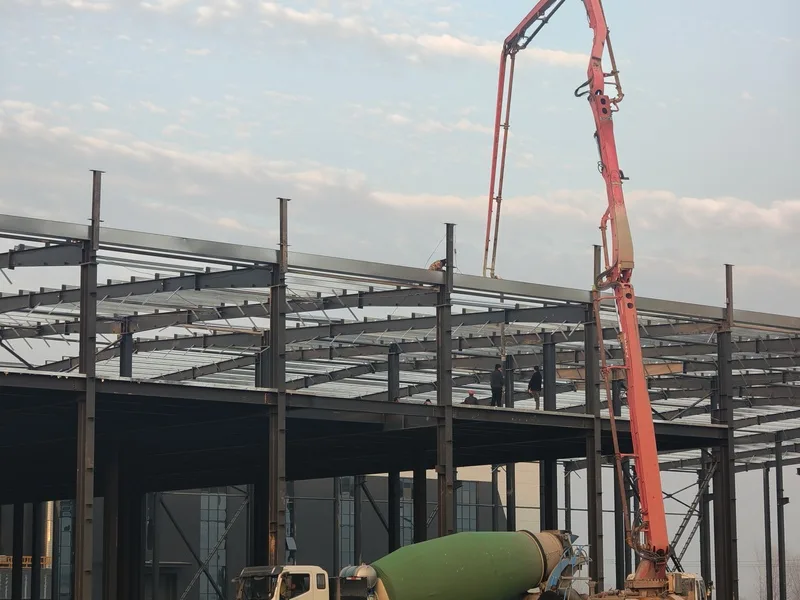
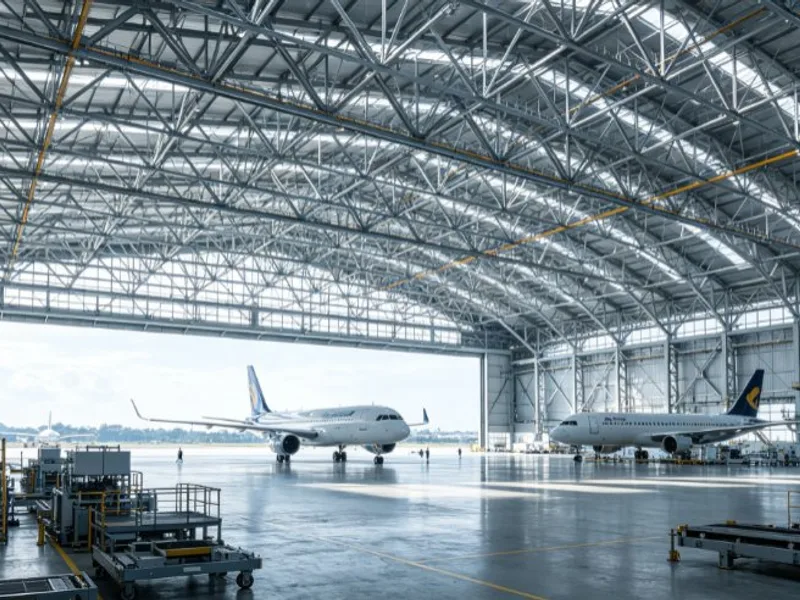
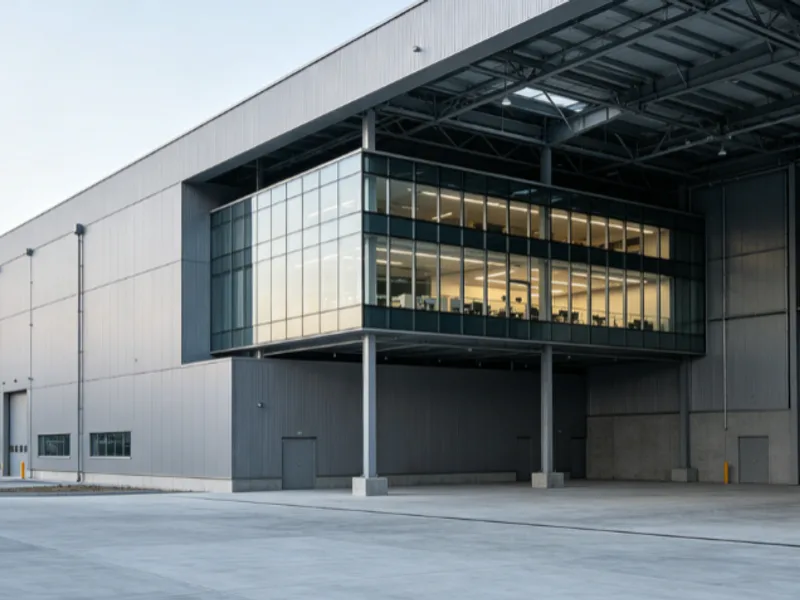
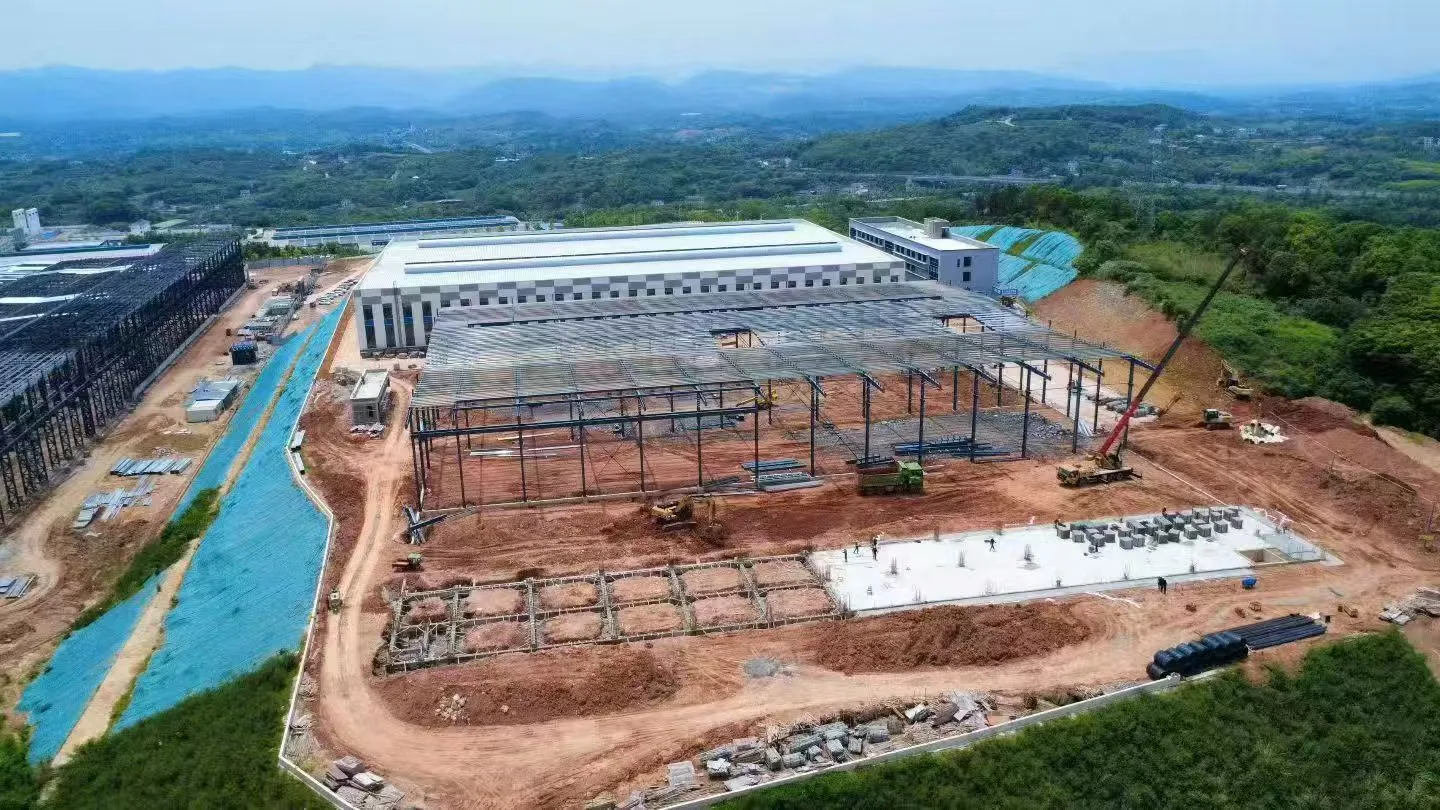
This Manila shopping mall dome roof demonstrates Laotie Steel's capability to deliver complex geometry space frame structures to the Southeast Asian market. From seismic-resistant design to precision CNC-machined nodes and zero-welding site assembly, every stage of this project was managed to ensure the client received an iconic, code-compliant structure at a competitive price.
Whether you are planning a 1,000 m² shopping mall atrium or a 20,000 m² airport terminal roof, our space frame design expertise and 15+ years of export experience ensure your project will be delivered on time, on budget, and fully compliant with your local building codes and seismic requirements.