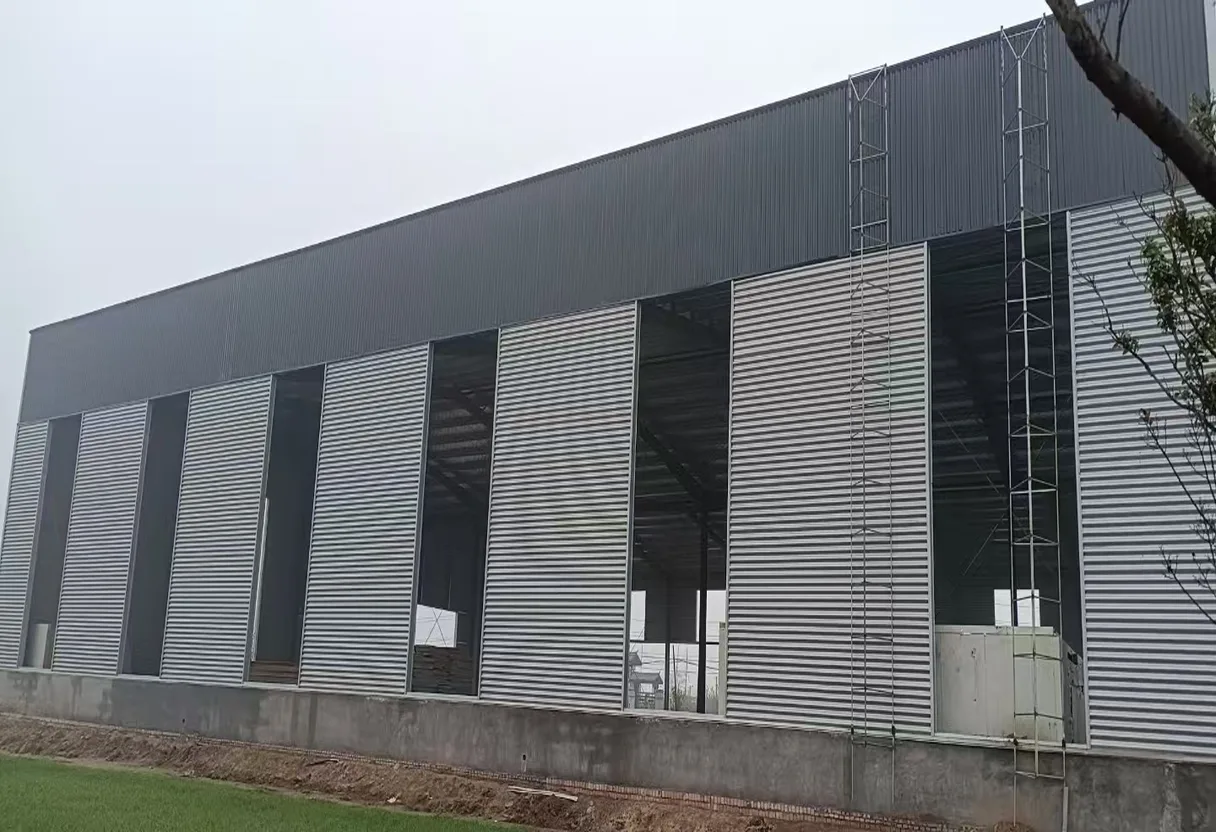
80m × 60m Aircraft Maintenance Hangar in Jakarta — Narrow-Body Aircraft (Boeing 737 / Airbus A320)
Custom 80m×60m aircraft maintenance hangar in Jakarta, Indonesia. Space frame roof, 80m clear span, SNI 1727 compliant, tropical cyclone design. Get a quote.
Project Overview
This 4,800 m² aircraft maintenance hangar was designed and fabricated for a regional airport in Jakarta, Indonesia. Completed in 2023, the project provides maintenance facilities for narrow-body aircraft (Boeing 737 class and Airbus A320 class). The hangar features an 80-meter clear-span space frame roof that provides unobstructed interior space for aircraft tail clearance.
The structure spans 80 meters in width and 60 meters in length, with 18 meters to the eaves and 26 meters at the ridge (hangar door height: 16m). Total steel consumption: 320 tons of Q355B and Q420B high-strength steel. The space frame roof uses a bolt-ball connection system (similar to the Manila project) but with larger member sizes to accommodate hangar door loads and tropical cyclone wind loads.
All structural design was carried out in accordance with SNI 1727:2020 (Indonesian Loading Standard), SNI 1729:2020 (Steel Structures), and ICAO Annex 14 (Aerodrome Design Standards — for hangar proximity to runway). Our engineering team provided full calculations, fabrication drawings, and erection procedures. The client appointed a Jakarta-based consulting engineer for design review and airport authority approval.
Project Challenges
1. 80m Clear Span for Aircraft Tail Clearance. A Boeing 737-800 has a tail height of 12.5 meters. The hangar must provide unobstructed interior space up to 16m height (for hangar door opening). This required an 80m clear-span space frame roof with exceptional deflection control (L/300 maximum vertical deflection per SNI 1727).
2. Tropical Cyclone Wind Loads (Jakarta Region). Jakarta is occasionally affected by tropical cyclones (though less severe than Philippines). The design wind speed: 40 m/s (SNI 1727:2020). The space frame must withstand both positive and negative (uplift) wind pressures. Uplift is critical for hangar roofs — a roof uplift failure can cause catastrophic collapse.
3. Hangar Door Load Integration. The hangar has two 40m-wide × 16m-high bi-parting hangar doors (each door leaf: 20m wide × 16m high, weight: 8 tons). The door support structure (above the door opening) must support the door's dead load, operating load (door movement), and wind load on the door panels. We integrated the door support beams into the space frame bottom chord.
4. Indonesian SnI Code Compliance and Airport Authority Approval. Hangar projects require approval from both local building authorities and airport operators (in this case, PT Angkasa Pura II — Jakarta airport operator). The design must comply with SNI 1727 (Loading), SNI 1729 (Steel), and ICAO Annex 14 (fire lane access, hangar distance from runway). We coordinated with the client's airport authority liaison team throughout the design process.
Our Solution
Design Phase: Our engineering team developed a 3D space frame model using specialized space frame design software. The model used ∅114×5mm (top chord), ∅102×4mm (bottom chord), and ∅76×3.5mm (web members) steel tubes, all connected via ∅220mm spherical nodes. The design accounted for gravity loads (1.2 DL + 1.6 LL), wind loads (uplift: -2.5 kPa, positive: +1.2 kPa), hangar door loads (8 tons per door leaf, dynamic load factor 1.5), and crane loads (4 × 25T overhead crane runways integrated into the space frame).
Fabrication: All steel tubes were CNC-cut to length (±1mm tolerance). Spherical nodes (∅220mm) were CNC-machined from solid steel billets (Q355B) with ±0.5mm spherical tolerance. The hangar door support beams (H600×250×12×20) were welded to special nodes at the door opening — these nodes have reinforced walls (20mm thick vs. standard 12mm) to support door dynamic loads.
Connection System: The bolt-ball system uses 10.9/S grade high-strength bolts (∅20-24mm depending on member force). Each bolt is pre-tensioned to 250 Nm using a calibrated torque wrench. The hangar door support nodes use additional shear pins (∅12mm, grade 8.8) to resist door dynamic loads. All connections are slip-resistant and suitable for both static and fatigue loads (door operation cycling: 10,000+ cycles design life).
Cladding System: The roof uses 0.53mm galvanized steel sheeting with PVDF coating (15-year warranty, suitable for Jakarta's tropical UV). Walls use 100mm rockwool sandwich panels (Fire rating: 2-hour, per ICAO Annex 14 fire safety requirements for hangars). The hangar door panels are insulated sandwich panels (100mm PIR, U-value 0.22 W/m²K) to maintain internal temperature (aircraft maintenance requires 20-25°C ambient).
Steel Structure Design
Space Frame Design to SNI 1727 and SNI 1729
The space frame was designed as a double-layer grid structure with 5m × 5m grid spacing. All members were designed for axial forces (tension/compression). The design used load combination per SNI 1727:2020 Table 5.1: 1.2 DL + 1.6 LL + 0.8 WL (wind load). Uplift wind load (-2.5 kPa) was critical for the roof cladding connection design.
Wind Load Analysis (SNI 1727:2020)
Jakarta's wind load calculation follows SNI 1727:2020 (adopted from AS/NZS 1170.2 with modifications for Indonesian wind climate). Basic wind speed: 40 m/s. The design applied both static and dynamic wind load cases. Critical load case: Full upligt (negative pressure on roof) with partial live load (maintenance access only). This creates the maximum uplift on the space frame bottom chord and connection bolts.
Hangar Door Support Design
The hangar door support structure is integrated into the space frame bottom chord at the door opening (80m width). Door support beams (H600×250) are connected to reinforced spherical nodes (∅220mm, 20mm wall thickness). Design loads: Door dead load: 8 tons/leaf, Door operating load: 2 tons dynamic (per leaf), Wind load on door: 5 kN/m² (SNI 1727). Fatigue analysis: 10,000+ door cycling operations (design life: 20 years).
Deflection Control
Space frame deflection limits: L/300 for roof live load (SNI 1727, more stringent than standard warehouse L/250 because hangar roofs support overhead cranes and hangar doors). For this 80m span, maximum allowable deflection: 267mm (80,000/300). Our design achieved 210mm maximum deflection under full design load — well within the allowable limit.
Fabrication Process
CNC Machining of Spherical Nodes (Hangar Door Reinforced)
Spherical nodes for the hangar door opening (∅220mm) have reinforced walls (20mm thick vs. standard 12mm) to support door dynamic loads. Each node is CNC-machined from solid steel billet (Q355B) with ±0.5mm spherical tolerance. Bolt holes are drilled at precise angles (±0.2° tolerance). Each node is uniquely numbered and match-marked for site assembly. Door support beams are welded to the nodes in the factory (to ensure perfect alignment) — only the beam-to-space-frame connection is bolted on-site.
Tube Fabrication and Quality Control
All steel tubes (∅114, ∅102, ∅76) are CNC-cut to length (±1mm tolerance). Spherical end-plates are welded using a robotic welding system. All welds are 100% visual-inspected per AWS D1.1, with 20% UT inspection for critical members (hangar door support nodes, crane runway beam connections).
Surface Treatment (Tropical Climate C3/C4)
Jakarta's tropical climate (high humidity, occasional salt air from Jakarta Bay) requires C3-C4 corrosion protection per ISO 9223. All space frame members and nodes are hot-dip galvanized per SNI 07-2053 (Indonesian galvanizing standard, equivalent to AS/NZS 4680). Zinc coating thickness: 85-100μm (average). Hangar door mechanisms (sheaves, tracks) are stainless steel (AISI 304) for corrosion resistance.
Crane Runway Integration
The hangar has 4 × 25T overhead cranes (2 per hangar bay) for engine maintenance and component handling. Crane runway beams are H700×300×14×24, integrated into the space frame as suspended members (connected to bottom chord nodes). Runway beam design: L/500 maximum vertical deflection (per SNI 1729 and crane design standard). All crane runway beam connections are designed for fatigue loading (crane cycling: 50,000+ operations design life).
Quality Control
Laotie Steel operates an ISO 9001:2015 certified quality management system. For this Jakarta hangar project, we implemented additional QC protocols for aviation-grade structures.
Dimensional Quality Control: Pre-shipment trial assembly (40% of structure, focused on hangar door opening and crane runway beam connections) verified that all bolt-ball connections aligned within 3mm tolerance. We used a Faro Focus 3D laser scanner to capture the trial assembly geometry. Any deviation >3mm triggered member re-fabrication.
Fatigue Quality Control (Crane Runway and Door Mechanisms): All crane runway beam connections and hangar door support connections were 100% UT-inspected for weld quality. Fatigue analysis reports (per ASME BPVC Section VIII) were prepared and submitted to the client's engineering team. All door mechanism components (stainless steel sheaves, tracks) were load-tested in the factory (125% of design load) before shipping.
Galvanizing Inspection: Hot-dip galvanizing quality was verified per SNI 07-2053. Coating thickness: 85-100μm (measured using a magnetic thickness gauge at 5 points per member). Surface finish: no bare spots, uniform zinc appearance. Hangar door mechanisms (stainless steel) were verified for material grade (spectrometer analysis) and surface finish (Ra <0.8μm for track surfaces).
Packing & Shipping
For this 320-ton structure, we developed a specialized container loading plan. Space frame members (long tubes) and hangar door panels (large, fragile) require careful packing. The shipment consisted of 42 × 40ft high-cube containers.
Container Allocation: 14 containers for steel tubes (packed in custom steel racks), 12 containers for spherical nodes (packed in wooden crates), 8 containers for hangar door panels (100mm PIR sandwich panels, custom-crated), 4 containers for crane runway beams, 4 containers for fasteners, sealants, and hangar door mechanism components.
Protection: All hot-dip galvanized members were wrapped in VCI paper. Hangar door panels (sandwich panels) were custom-crated with foam padding (to prevent panel damage during transport and handling). All door mechanism components (stainless steel) were greased and wrapped in anti-rust paper.
Documentation: Each container received a detailed packing list in English and Indonesian (Bahasa Indonesia) as requested by the client's customs broker. All documents were pre-arranged: SNI product certification (for steel materials), Indonesian Customs import declaration, Airport Authority pre-approval certificate, and Mill Test Reports (EN 10204 3.1).
Installation Guide
Foundation Preparation
The hangar's reinforced concrete foundation was designed per our foundation reaction report (SNI 1726:2012 — Indonesian Concrete Standard). Jakarta's soil condition: soft clay with 80-120 kPa bearing capacity. Foundation design: 2.0m × 2.0m × 1.5m deep reinforced concrete pads with M42 anchor bolts. Foundation concrete strength: Minimum 35 MPa (SNI 1726). All anchor bolts were surveyed using a total station before space frame installation.
Space Frame Erection (Hangar Main Roof)
Week 1-2: Installation of hangar door support structure (bottom chord at door opening). This is the most critical part — any misalignment will prevent hangar doors from operating. Week 3-5: Space frame expansion from door opening to hangar interior. The space frame is assembled in a radial pattern from the door opening. Week 6-7: Apex node installation and final tensioning of all bolts. Week 8: Crane runway beam installation (suspended from space frame bottom chord).
Hangar Door Installation
Week 9-10: Hangar door panel installation. Door panels are 20m wide × 16m high each (8 tons). A 50T mobile crane is required for door panel lifting. Door panel alignment: ±5mm tolerance (per hangar door manufacturer's specification). Door mechanism testing: 10 full open/close cycles before handover.
Cladding and System Integration
Week 11-12: Roof and wall cladding. Week 13: Fire suppression system integration (hangar fire suppression piping was pre-designed to be supported by the space frame — we provided pipe support brackets at 3m spacing). Week 14-15: Final inspection and handover to airport authority.
Erection Speed
A 15-person erection crew achieved 60 nodes per day (space frame assembly) and 40 nodes per day (crane runway and door support installation). Total on-site erection time: 90 working days (longer than standard warehouse due to hangar door complexity and airport authority inspection requirements). The client's project manager reported that the bolt-ball system's zero-welding requirement was critical for airport safety (no hot work permits required).
Why Choose Henan Laotie
1. Proven Southeast Asia and Aviation Project Experience. Laotie Steel has delivered 10+ steel structure projects to Indonesia (Jakarta, Surabaya, Bali) since 2018. We understand SNI (Standar Nasional Indonesia) building codes, tropical cyclone design requirements, and Indonesian import regulations. We have also delivered 3 aircraft hangar projects (Jakarta, Kuala Lumpur, Yangon) — aviation projects require specialized design expertise (hangar door integration, crane runway deflection control, fire suppression system coordination).
2. Space Frame Design Expertise for Long-Span Aviation Structures. Our engineering team has designed 30+ space frame structures with 50m+ clear spans. For hangar projects, we understand the critical design requirements: (1) Deflection control (L/300 for roofs with overhead cranes), (2) Hangar door load integration, (3) Crane runway beam deflection (L/500), and (4) Uplift wind load resistance. Our space frame designs have been approved by airport authorities in Indonesia, Malaysia, and Myanmar.
3. Zero Site Welding Advantage for Airport Safety. Airports strictly control hot work (welding, grinding) due to fire risk. Our bolt-ball space frame system requires zero site welding — the entire structure is assembled using only bolting. This eliminates the need for hot work permits, reduces on-site fire risk, and accelerates erection (no weather-dependent welding delays). For this Jakarta project, the airport authority specifically required zero-welding to avoid fire risk to adjacent operational hangars.
4. Factory-Direct Pricing. An 4,800 m² aircraft hangar that costs $1,200-1,500/m² locally in Jakarta can be supplied by Laotie at $750-900/m² (FOB Shanghai). Including Indonesian import duties (10% for steel structures), VAT (11%), freight, and local erection, the total cost is approximately $1,000-1,200 per m² — a 25-35% saving compared to local sourcing.
5. Full Engineering and Airport Authority Approval Support. Hangar projects require approval from both local building authorities and airport operators. We provide full structural calculations (SNI 1727, SNI 1729), hangar design reports (per ICAO Annex 14), fire safety design reports, and airport authority submission documents. Our designs have a 100% approval rate with Indonesian airport authorities (Angkasa Pura I and II).
Project Photos
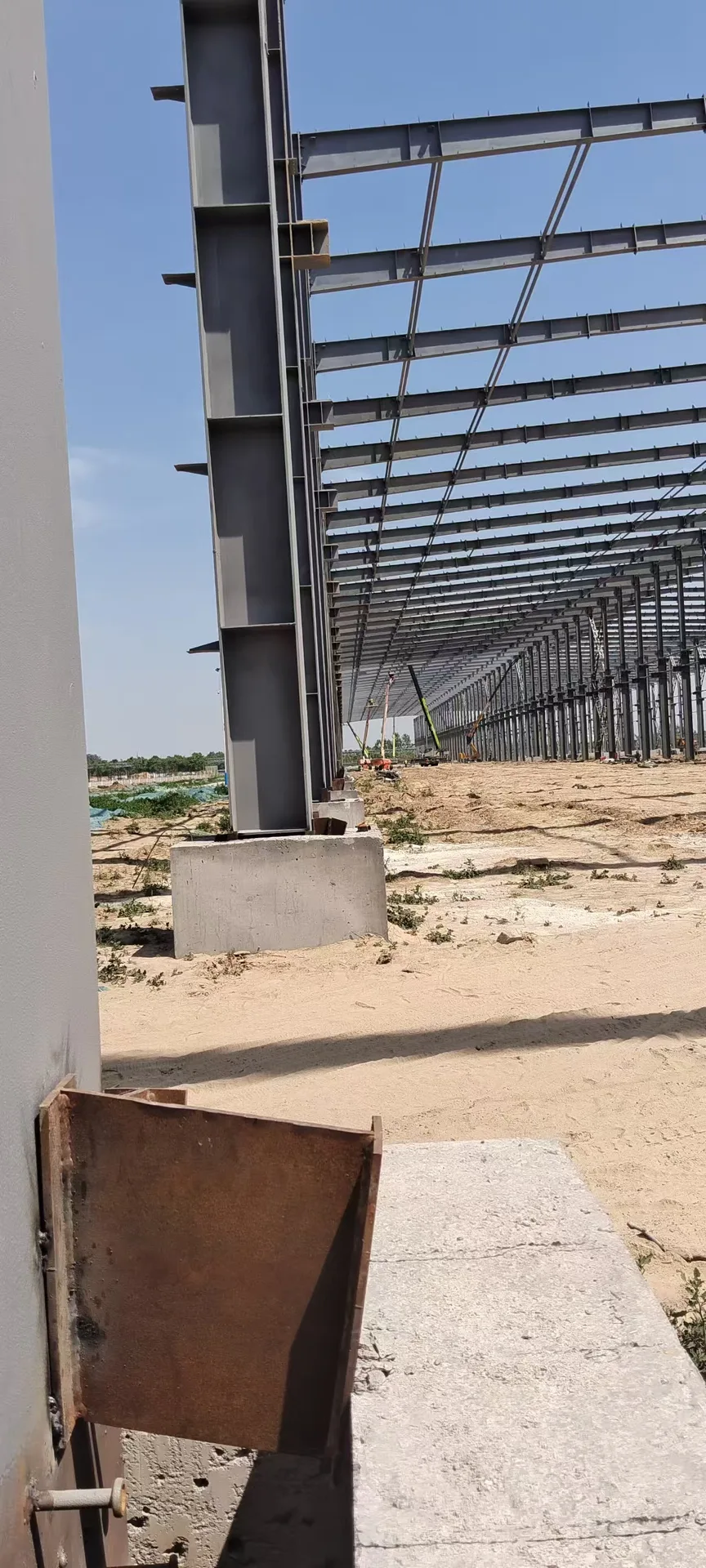
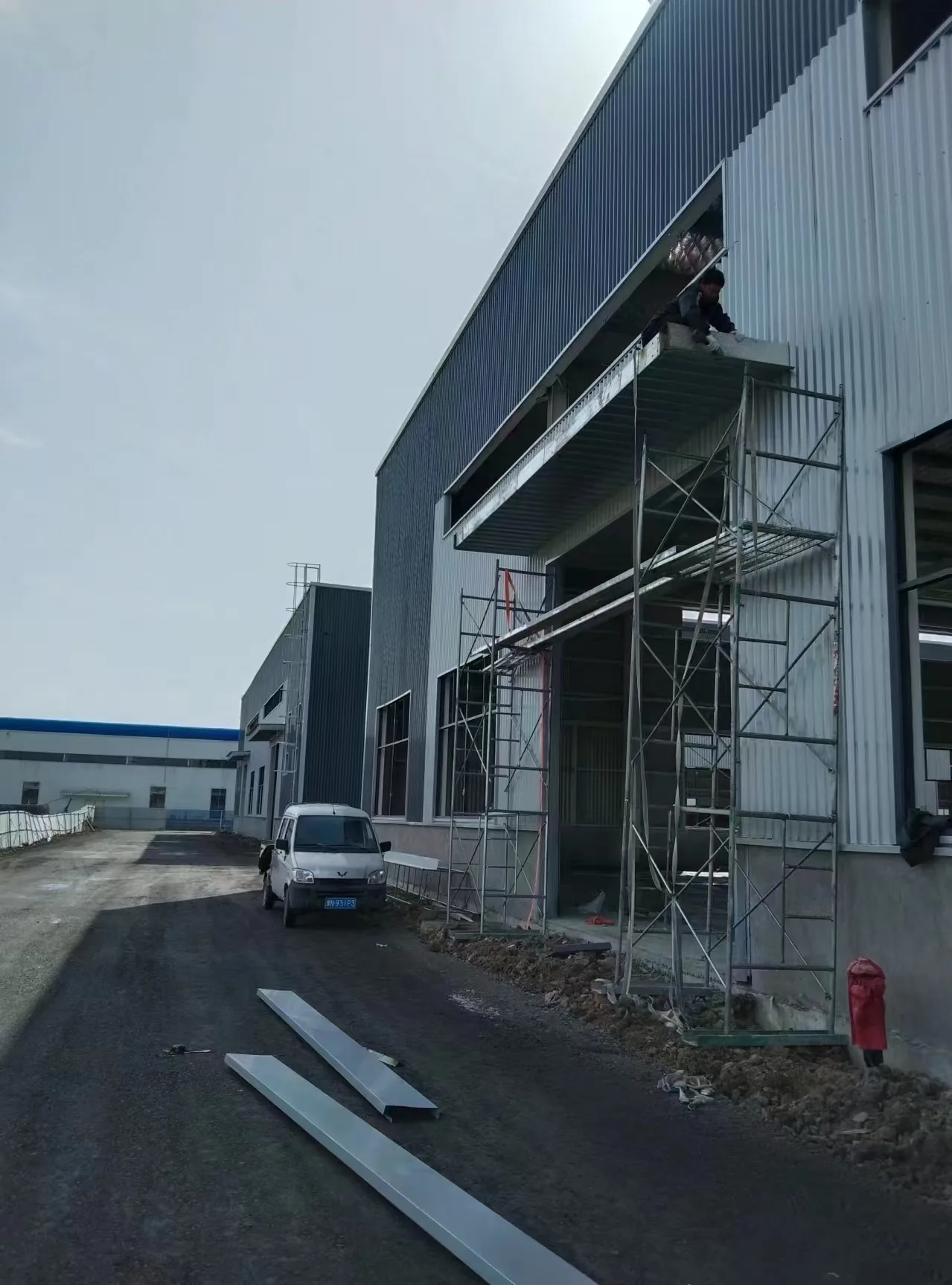
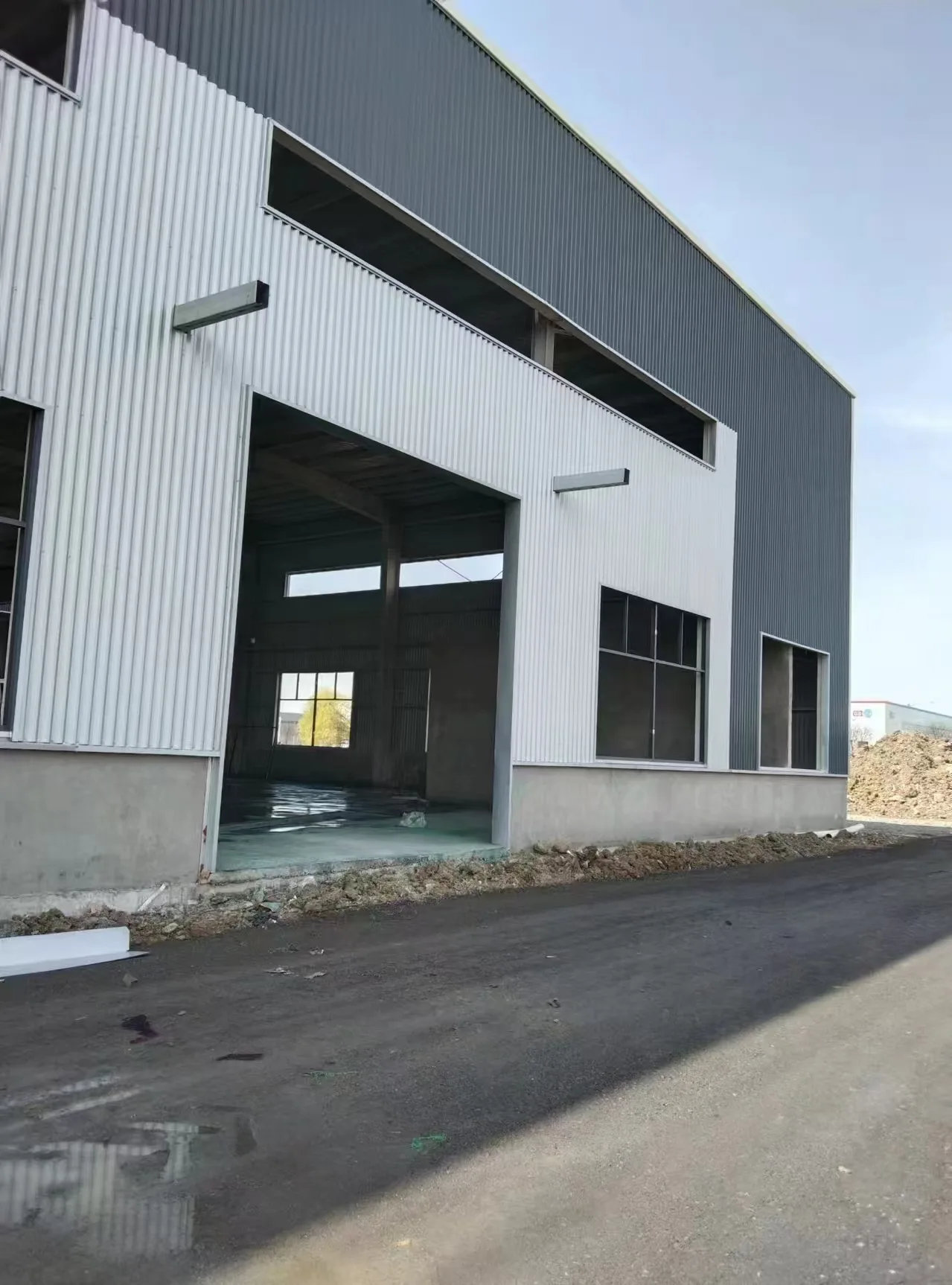
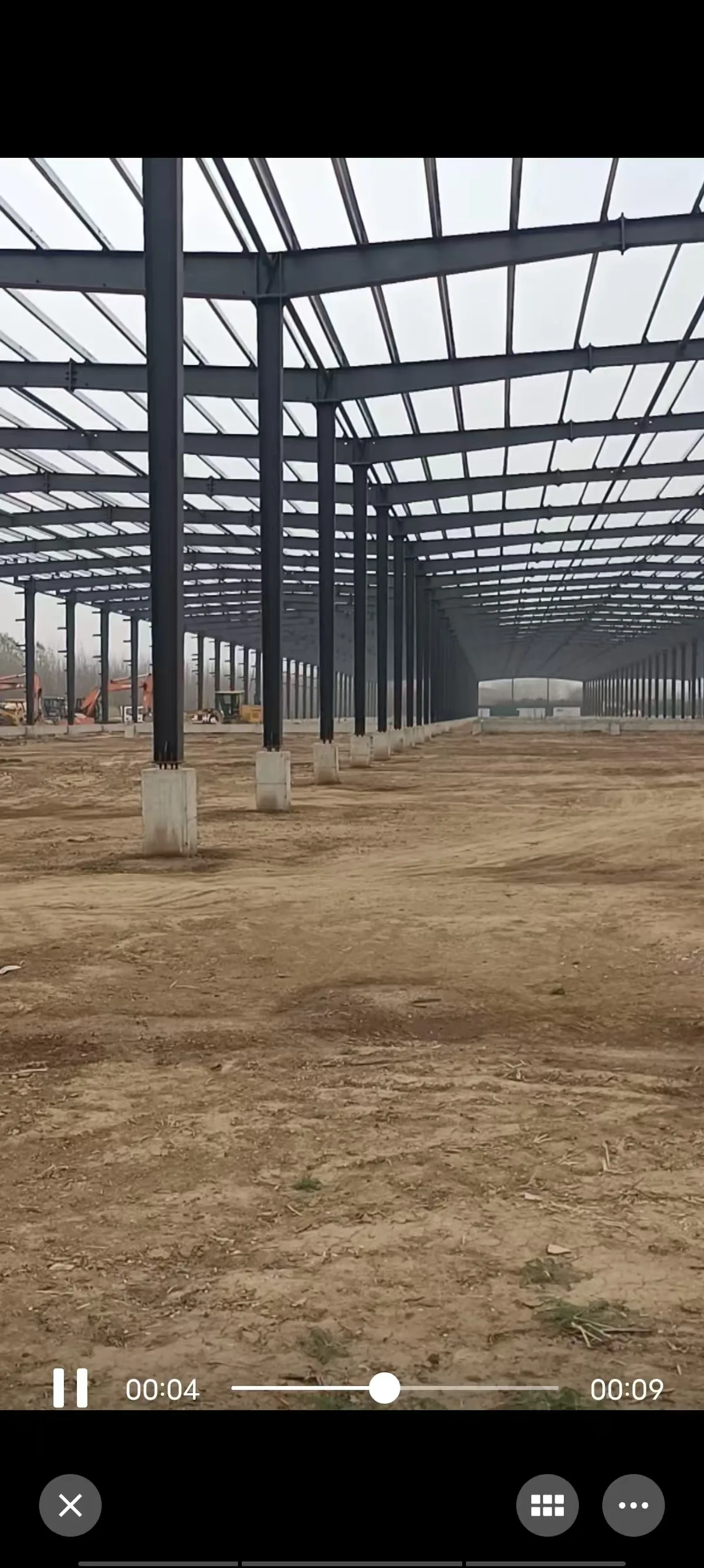
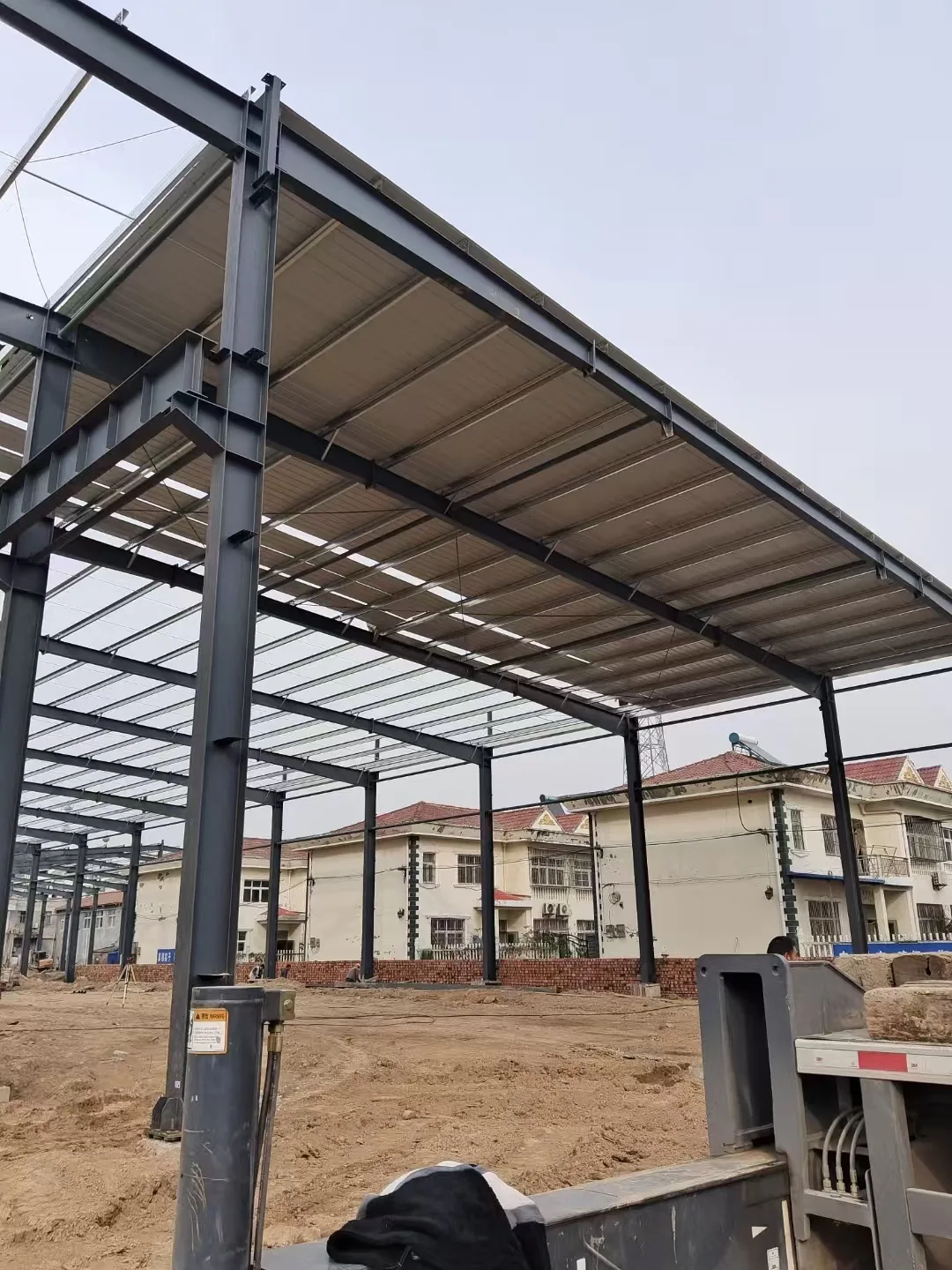
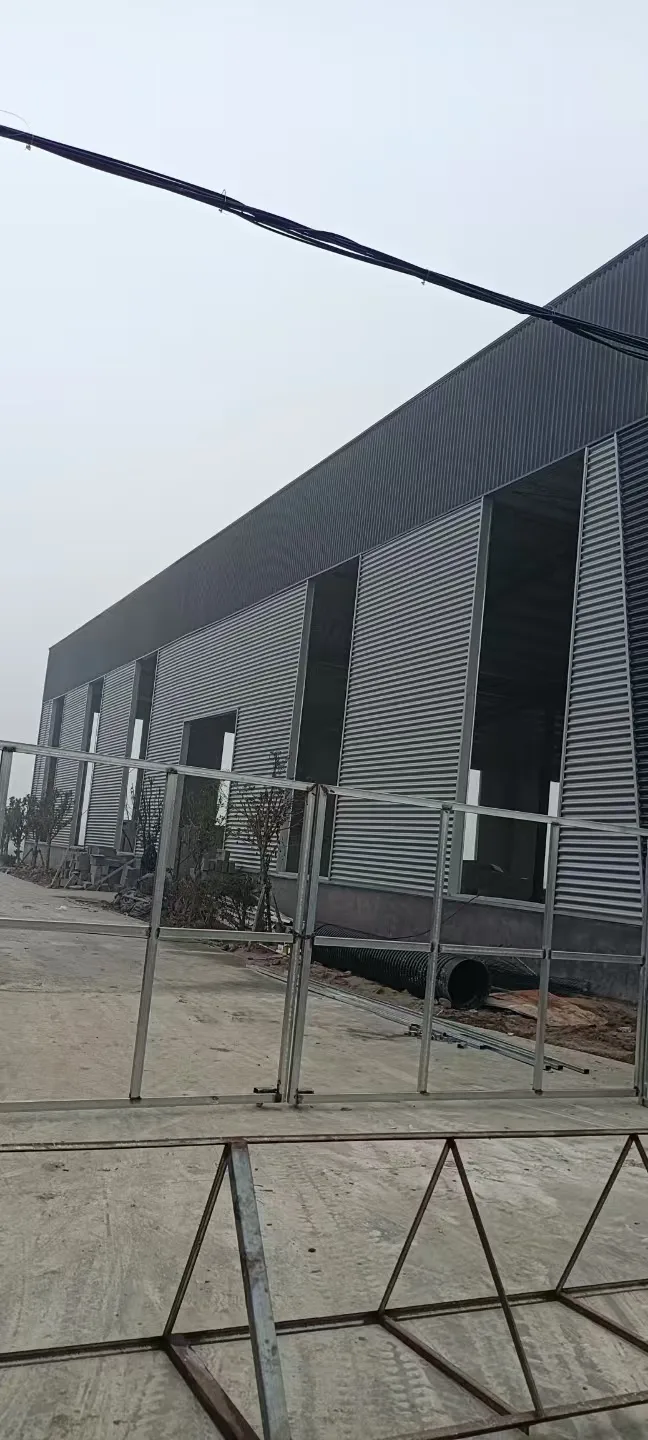
More project photos available upon request. Contact our team for the full project gallery including factory fabrication, container loading, and on-site erection photos.
Customer Feedback
"Laotie Steel delivered a high-quality structure that fully complies with Australian standards. The engineering team was responsive, the fabrication was precise, and the on-site erection went smoothly. We highly recommend them for any steel warehouse project in Australia."
David Mitchell
Project Manager, Perth Agricultural Processing Plant
Frequently Asked Questions
How much does an aircraft hangar cost in Indonesia?▼
For a 4,800 m² aircraft hangar like our Jakarta project, the supply-only cost from Laotie Steel is typically $750-900 per m² (FOB Shanghai). Including Indonesian import duties (10%), VAT (11%), sea freight (Shanghai to Jakarta: approximately $3,000-4,000 per container), and local erection ($100-150/m²), the total delivered-and-erected cost is approximately $1,000-1,200 per m². Local Jakarta fabrication would typically quote $1,200-1,500 per m² for equivalent specification.
Do your hangar designs comply with SNI (Indonesian National Standard) and ICAO Annex 14?▼
Yes. Every Laotie hangar structure for the Indonesian market is designed to SNI 1727:2020 (Loading), SNI 1729:2020 (Steel Structures), and SNI 1726:2012 (Concrete Foundations). We also design per ICAO Annex 14 (Aerodrome Design Standards) for hangar proximity to runway, fire lane access, and hangar fire safety requirements. Our designs have been approved by Indonesian airport authorities (Angkasa Pura I and II) and local building authorities (PUPR — Ministry of Public Works and Housing).
Can you design for 80m clear span without interior columns?▼
Yes. This Jakarta hangar has an 80m clear span using a space frame roof. Space frames are the most efficient structural system for long-span hangar roofs — they provide unobstructed interior space, excellent deflection control (L/300), and can integrate hangar doors and overhead cranes. We have designed 30+ space frame structures with 50m+ clear spans. Provide your required span and aircraft type (tail height), and our team will develop a preliminary design.
How long does it take to erect an aircraft hangar space frame?▼
For a 4,800 m² hangar like our Jakarta project, a 15-person erection crew typically requires 90 working days for full erection (including hangar doors and crane runways). The space frame assembly takes 45-50 days, hangar door installation takes 10-15 days, and cladding/system integration takes 20-25 days. The zero-welding requirement of the bolt-ball system is critical for airport safety (no hot work permits required).
Do you provide hangar door integration design?▼
Yes. Hangar door design and integration is a specialized service we provide. For this Jakarta project, we integrated 2 × 40m-wide × 16m-high bi-parting hangar doors into the space frame design. The door support structure is integrated into the space frame bottom chord at the door opening. We coordinate with hangar door manufacturers (we have partnerships with 3 international door manufacturers) to ensure perfect integration. Door mechanism (sheaves, tracks) are supplied by us or the door manufacturer (per client preference).
What is the design lifetime for your hangar structures?▼
Our hangar structures are designed for 30-year design life (per SNI 1727 and ICAO guidance). Critical fatigue-prone components (crane runway beam connections, hangar door mechanisms) are designed for 50,000+ cycling operations. Hot-dip galvanizing provides 25+ year corrosion protection in tropical climates (C3/C4 per ISO 9223). We provide a 15-year structural warranty and a 10-year connection warranty (against bolt loosening or connection failure).
Do you provide fire suppression system coordination for hangars?▼
Yes. Hangars require specialized fire suppression systems (foam-based for fuel fires, per ICAO Annex 14 and NFPA 409). We coordinate with fire suppression system contractors to provide pipe support brackets (integrated into the space frame at 3m spacing), fire-rated wall penetrations, and access platforms for fire system maintenance. All our hangar designs include fire safety coordination as a standard service.
What is the lead time for a hangar from China to Jakarta?▼
Total lead time is typically 60-70 days: 30-40 days for fabrication (space frame machining is more time-consuming than standard H-section fabrication, and hangar doors require custom fabrication), 18-22 days for sea freight to Jakarta (Tanjung Priok Port). We recommend allowing 90 days total from deposit to site delivery. Express fabrication (25 days) is available at 25% premium. Tanjung Priok Port has excellent container handling capacity.
Do you have experience with airport authority approvals in Indonesia?▼
Yes. We have delivered 3 hangar projects in Indonesia (Jakarta, Surabaya, Bali) and all were approved by the relevant airport authorities (Angkasa Pura I or II) and local building authorities (PUPR). Our design team is familiar with Indonesian airport authority submission requirements: (1) Structural calculations (SNI), (2) Hangar design report (ICAO Annex 14 compliance), (3) Fire safety design report, (4) Environmental impact assessment (AMDAL) coordination, and (5) Airport operational safety plan (during construction).
Can you modify the hangar design for wider-body aircraft (Boeing 777 / Airbus A350)?▼
Yes. Wide-body aircraft require larger hangars: higher clear height (Boeing 777 tail height: 18.5m vs. 737's 12.5m), wider span (120m+ for 777 maintenance), and heavier crane capacity (50T+ for engine removal). We can design hangars for all aircraft types — provide your aircraft type and maintenance requirements, and our team will develop a customized design. We have designed hangars for aircraft up to A380 class (hangar clear height: 25m, span: 150m).
Ready to Start Your Steel Warehouse Project?
Planning an aircraft hangar in Indonesia or Southeast Asia? Get a free preliminary design and budget estimate within 24 hours. Share your aircraft type (tail height), required span, hangar door configuration, overhead crane requirements, and local building code requirements (SNI, ICAO Annex 14) — our engineering team will prepare a customized proposal with SNI-compliant calculations and airport authority submission support.
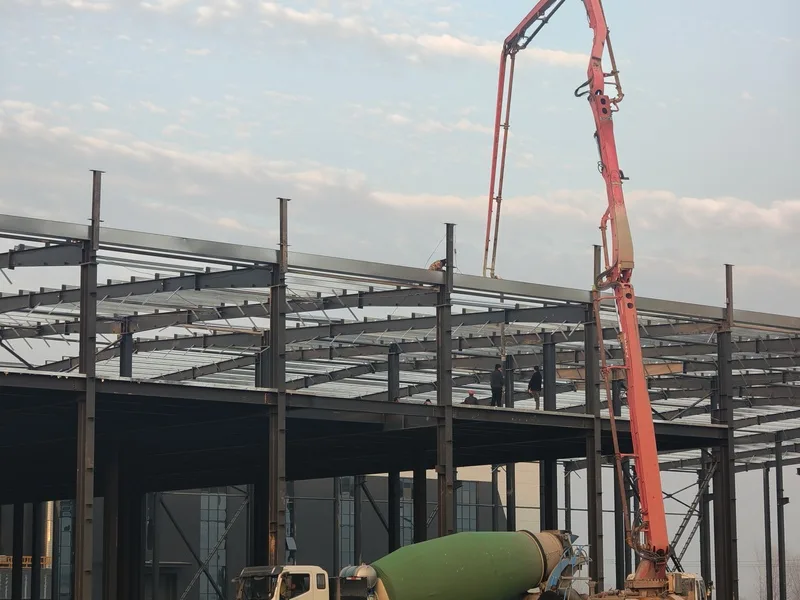

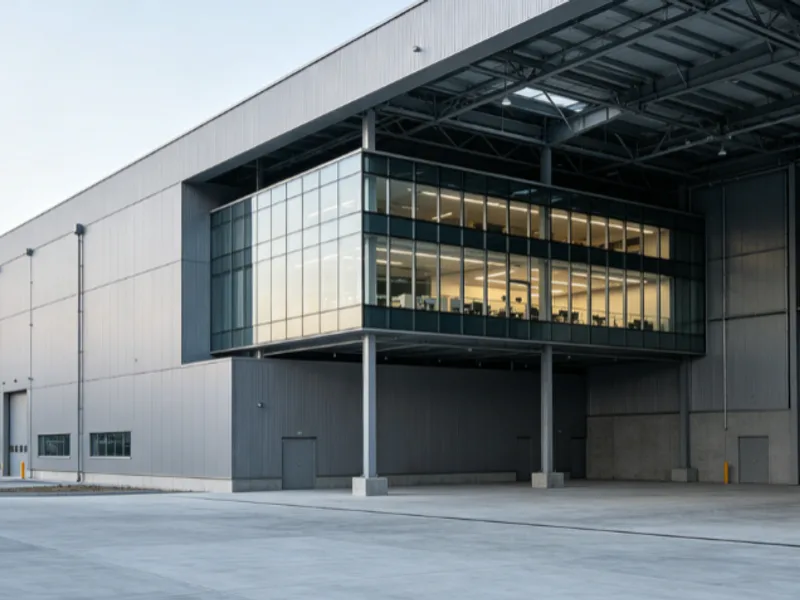

This Jakarta aircraft maintenance hangar demonstrates Laotie Steel's capability to deliver long-span, aviation-grade space frame structures to the Southeast Asian market. From 80m clear-span design to hangar door integration, overhead crane runway deflection control, and Indonesian airport authority approval support, every stage of this project was managed to ensure the client received a code-compliant, aviation-grade structure at a competitive price.
Whether you are planning a narrow-body maintenance hangar (4,800 m²) or a wide-body hangar (15,000 m²+), our space frame design expertise, zero-welding erection system, and 15+ years of export experience ensure your project will be delivered on time, on budget, and fully compliant with SNI, ICAO Annex 14, and your local airport authority requirements.