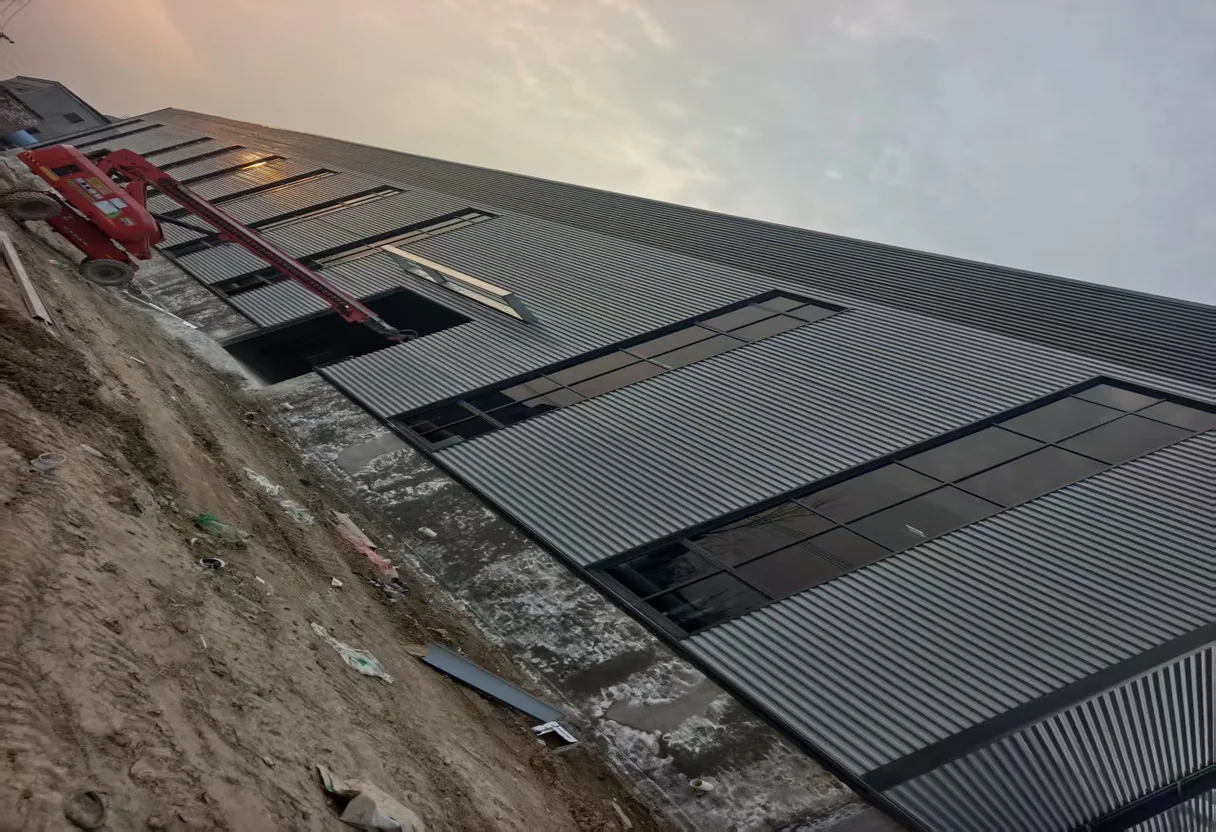
120m × 60m Industrial Warehouse in Sydney — Logistics Distribution Facility
Custom 120m×60m industrial warehouse in Sydney, Australia. 7,200 sqm portal frame design, AS/NZS 1170 compliant, 12m eave height, 20T crane ready. Get a quote.
Project Overview
This 7,200 m² industrial warehouse was designed and fabricated for a Sydney-based logistics company in 2025. The facility serves as a regional distribution hub, requiring a large-span portal frame structure capable of accommodating high-bay racking systems, 20T overhead crane operations, and Australia's stringent cyclone-region wind loading requirements.
The building spans 120 meters in length, 60 meters in width, with 12 meters eave height — creating a massive column-free interior space ideal for logistics operations. Total steel consumption: 385 tons of Q355B high-strength steel. The main portal frame uses tapered H-sections with moment-resisting connections, designed to AS 4100-1998 and AS/NZS 1170.2:2021 (Wind Loads).
All structural calculations were prepared by our Australian-chartered engineering partners and stamped for council submission. The design accounts for Sydney's Wind Region B (design wind speed 55 m/s), a 1.5 kN/m² roof live load (for future solar panel installation), and a 2.0 kN/m² floor live load for heavy racking systems.
Project Challenges
1. Cyclone Region Wind Loading (Region B). Sydney falls within Wind Region B of AS/NZS 1170.2, requiring a design wind speed of 55 m/s. The 120m length creates significant wind pressure differentials across the roof and walls. Our SkyCiv model applied both static and dynamic wind load cases, with special attention to roof cladding suction loads during cyclonic events.
2. 20T Overhead Crane Integration. The client required a 20-ton overhead crane system running the full 120m length. Crane runway beams must support both vertical wheel loads (including impact factor 1.25 per AS 1418.1) and longitudinal crane surge forces. We designed the portal frame columns with additional bracing to resist crane-induced lateral forces.
3. Large-Span Cladding System. A 60m roof span requires careful consideration of thermal expansion (up to 40mm across the roof width in Australian summer conditions). We specified concealed-fix Colorbond® roofing with sliding cleats to accommodate thermal movement without inducing secondary stresses in the purlins.
4. Australian Quarantine Compliance. All steel members exported to Australia must comply with Australian Quarantine and Inspection Service (AQIS) requirements. All timber packing materials (if any) must be ISPM 15 compliant. We eliminated timber packing entirely, using steel racking systems inside containers and heat-treated steel dunnage.
Our Solution
Design Phase: Our engineering team developed a 3D SkyCiv model of the 120m × 60m × 12m portal frame. The model included 8 portal frame bays at 15m spacing, with longitudinal bracing at every 30m interval. Wind load calculations followed AS/NZS 1170.2:2021 Clause 5, with a terrain category of 2 (suburban Sydney). The design also included a 600 m² mezzanine office area at the west end, with a 2-hour fire-rated floor system.
Fabrication: All main frame members were fabricated from Q355B steel plate using CNC plasma cutting. H-section columns (H700×300×14×24 at base, tapering to H500×250×10×16 at eave) were welded using submerged arc welding (SAW) with full penetration welds verified by ultrasonic testing (UT). All bolted connections use 10.9/S grade friction-grip bolts with calibrated torque specifications.
Cladding System: The roof uses 0.55mm Colorbond® steel sheeting in "Monument" (RAL 7016) with an anticon blanket (75mm glasswool, R1.5 thermal rating). Walls use 100mm PIR sandwich panels (U-value 0.22 W/m²K) suitable for Sydney's climate zone. All flashings and gutters are Colorbond® matching the roof color.
Crane System: Crane runway beams are H800×300×16×28, designed for 20T capacity with 1.25 impact factor. The crane rail is a 120kg/m heavy-duty rail, fixed to the runway beam top flange with clip bolts at 600mm spacing. Our engineering team provided full crane runway beam deflection calculations (L/500 maximum vertical deflection per AS 1418.1).
Steel Structure Design
Portal Frame Design to AS 4100
The portal frame was designed as a moment-resisting frame with fixed-base conditions. Column base plates use 600×600×40mm thick plates with 12× M36 anchor bolts (8.8/S grade). The frame provides a 60m clear span with 12m eave height, creating 7,200 m² of unobstructed floor space.
Wind Load Analysis (AS/NZS 1170.2)
Sydney's Wind Region B requires a design wind speed of 55 m/s (considering topographic multiplier). Our SkyCiv model calculated the following design pressures: Roof positive pressure: +0.56 kPa, Roof suction (uplift): -1.85 kPa, Wall pressure: ±0.75 kPa. These loads were applied to the frame in both transverse and longitudinal directions.
Crane Runway Beam Design (AS 1418.1)
The 20T overhead crane creates the following design loads on the runway beams: Vertical wheel load: 85 kN/wheel (4 wheels per crane), Longitudinal surge force: 10% of crane weight + lifted load, Lateral surge force: 10% of lifted load. Runway beam maximum vertical deflection: L/500 (AS 1418.1 requirement).
Mezzanine Office Design
The 600 m² mezzanine office uses a composite floor system: 120mm deep steel deck + 130mm concrete slab. The floor system provides a 2.5 kN/m² live load capacity for office use. Fire rating: 2-hour (AS 1530.4) using intumescent paint on steel members and 19mm fire-rated plasterboard ceiling.
Fabrication Process
CNC Cutting & Machining
All steel plates are CNC-cut using a 12-head plasma cutting system with ±1mm tolerance. H-section columns and rafters are welded using automated submerged arc welding (SAW) with continuous welding wires. All welds are 100% UT (Ultrasonic Testing) inspected per AS 1554.1 for critical connections.
Surface Treatment
Every member passes through our 8-wheel shot-blasting machine, achieving SA 2.5 surface profile. The coating system consists of: 1×75μm epoxy zinc-rich primer, 1×125μm epoxy intermediate coat, 1×80μm polyurethane topcoat. Total DFT: 280μm for interior members, 320μm for exterior members. All coating thickness is verified using SSPC-PA 2 gauge.
Crane Runway Beam Machining
Crane runway beams require exceptional dimensional accuracy. The top flange flatness tolerance is ±2mm over the full 120m length. We machine the top flange using a portable milling machine after welding to ensure crane rail alignment. All crane runway beam connections use precision-reamed holes (±0.2mm tolerance) for 10.9/S friction-grip bolts.
Mezzanine Floor Fabrication
The mezzanine floor uses composite steel deck (120mm deep, 0.9mm thick) with embossed patterns for concrete bond. Steel deck sheets are roll-formed in our facility with keyed edges for concrete interlocking. All mezzanine beams are fire-rated with intumescent paint (2-hour rating per AS 1530.4).
Quality Control
Laotie Steel operates an ISO 9001:2015 certified quality management system. For this Sydney project, we implemented additional QC protocols for Australian export compliance.
Dimensional Quality Control: Pre-shipment trial assembly verified that all portal frame connections, mezzanine floor beams, and bracing connection plates aligned within AS 4100's ±2mm tolerance. We used a 3D coordinate measuring arm to verify critical connection dimensions.
Welding Quality: All full-penetration welds were 100% UT inspected per AS 1554.1. Fillet welds were spot-checked using magnetic particle inspection (MPI). All welding procedures were qualified per AS/NZS 1554.1, with welding consumables stored in heated cabinets to prevent moisture absorption.
Coating Inspection: Dry-film thickness (DFT) measurements were taken at 5 points per member. Minimum DFT: 280μm (interior), 320μm (exterior). All readings were documented with photographs in the QC report. Adhesion testing (cross-cut method per ASTM D3359) was performed on 5% of members.
Material Traceability: Each steel plate's mill test report (EN 10204 3.1) was cross-referenced to the finished member's serial number. The client received a full material traceability dossier, including all welding consumables' batch numbers and coating material certificates.
Packing & Shipping
For this 385-ton structure, we developed a comprehensive container loading plan using 3D container optimization software. The shipment consisted of 52 × 40ft high-cube containers, carefully sequenced to match the client's erection schedule.
Container Allocation: 12 containers for main H-sections (columns and rafters), 22 containers for secondary members (purlins, girts, bracing, eave struts, mezzanine beams), 12 containers for cladding system (Colorbond sheets, sandwich panels, flashings, gutters), 4 containers for crane runway beams and rails, 2 containers for fasteners, sealants, and erection consumables.
Protection: All threaded fasteners were capped with plastic end-caps. Colorbond sheets were interleaved with kraft paper to prevent abrasion. Sandwich panels were packed in moisture-barrier bags with desiccant. Crane rails were greased and wrapped in anti-rust paper.
Documentation: Each container received a detailed packing list cross-referenced to the erection drawing's zone numbers. Australian customs clearance documents, including Certificate of Origin (Form A), commercial invoice, bill of lading, and AQIS treatment certificate, were pre-arranged. The client's appointed freight forwarder received all documents 7 days before vessel departure.
Installation Guide
Foundation Preparation
The client's local Sydney contractor poured reinforced concrete foundations per our foundation reaction report (prepared per AS 2870). Anchor bolt cages were supplied by Laotie, with laser-aligned positioning before concrete pour. Anchor bolt tolerances: ±2mm in position, ±3mm in elevation. Foundation concrete strength: Minimum 32 MPa (AS 3600).
Main Frame Erection
Day 1-5: Main portal frame columns and rafters. Each column base plate uses 12× M36 anchor bolts. Column verticality is adjusted using laser plumb-bob and shim packs. Rafter-to-column connections use 10.9/S friction-grip bolts — no site welding required. A 50T mobile crane was used for member lifting.
Crane Runway Beam Installation
Day 6-8: Crane runway beam installation. Runway beams are aligned using a laser level to ensure ±3mm alignment tolerance over the full 120m length. Crane rail is then fixed to the runway beam top flange using clip bolts. Rail alignment is verified using a feeler gauge — maximum gap under a 1m straightedge: 2mm (AS 1418.1).
Secondary Members & Cladding
Day 9-15: Purlin, girt, and bracing installation. Z180 galvanized Z-purlins are bolted to rafter cleats. Day 16-25: Roof and wall cladding. Colorbond sheets are fixed with 12g×50mm self-drilling screws with neoprene washers. Sandwich panels are installed using concealed fixing systems. All panel joints are sealed with PU sealant.
Erection Speed
A 10-person erection crew achieved 500 m² per day for the main frame, and 400 m² per day for cladding. Total on-site erection time: 25 working days. The client's project manager reported that the bolted connection system saved approximately 15 days compared to a welded structure.
Why Choose Henan Laotie
1. Proven Australia Export Experience. Laotie Steel has delivered 30+ steel structure projects to Australia since 2019. We understand Australian design codes (AS 4100, AS/NZS 1170, AS 1418), local engineering certification requirements, and Australian quarantine (AQIS) regulations.
2. SkyCiv-Powered Engineering. Every structure we design is modeled in SkyCiv cloud structural analysis software. This allows real-time design collaboration with Australian engineers and provides transparent, auditable calculations that Australian councils and certifiers trust.
3. Factory-Direct Pricing. A 7,200 m² warehouse that costs AUD 900-1,100/m² locally (fabricated and erected in Sydney) can be supplied by Laotie at AUD 650-750/m² (FOB Shanghai). Including Australian customs (5%), GST (10%), freight, and local erection, the total delivered-and-erected cost is approximately AUD 850-1,000 per m² — a 15-25% saving compared to local sourcing.
4. 5 Production Lines, 5,000T/Month. Our Henan facility operates 5 independent production lines. This Sydney project's 385 tons was completed in 22 working days from mill sheet approval to factory dispatch. Our production capacity ensures your project will not be delayed by capacity constraints.
5. Full Engineering Dossier. Every Australian project includes: (1) Structural calculation report (AS 4100), (2) Wind load calculations (AS/NZS 1170.2), (3) Fabrication drawings with NC codes, (4) Erection manual with bolt lists and torque specifications, (5) Material test reports (EN 10204 3.1), (6) Crane runway beam calculations (AS 1418.1), and (7) Container packing lists with zone cross-references.
Project Photos
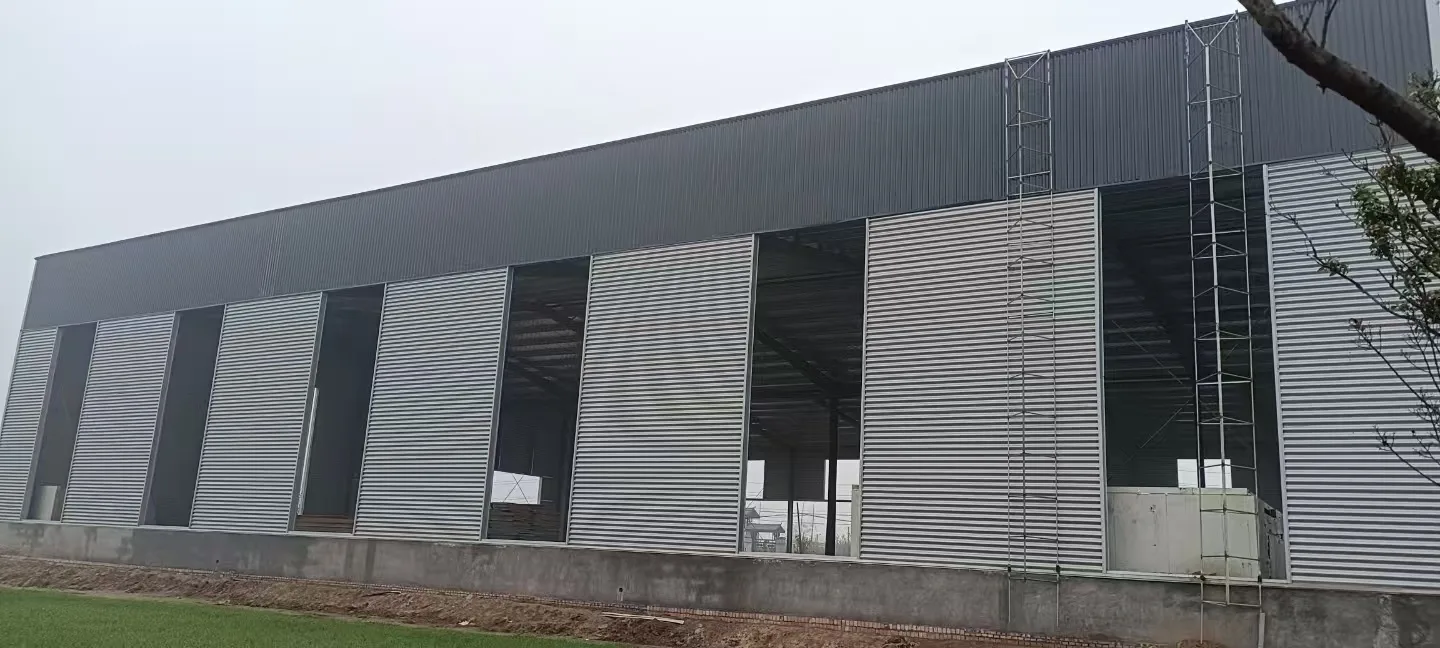
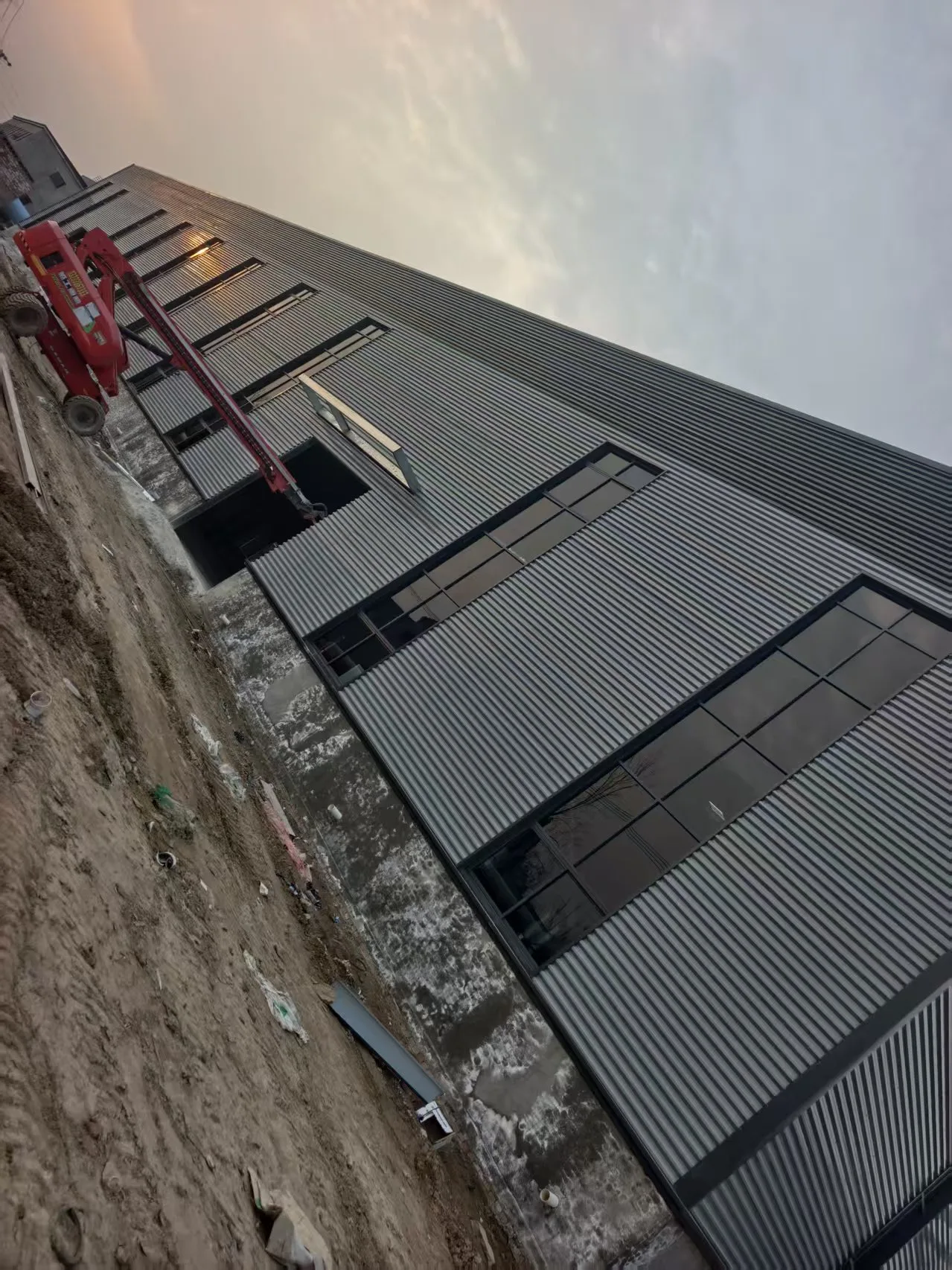
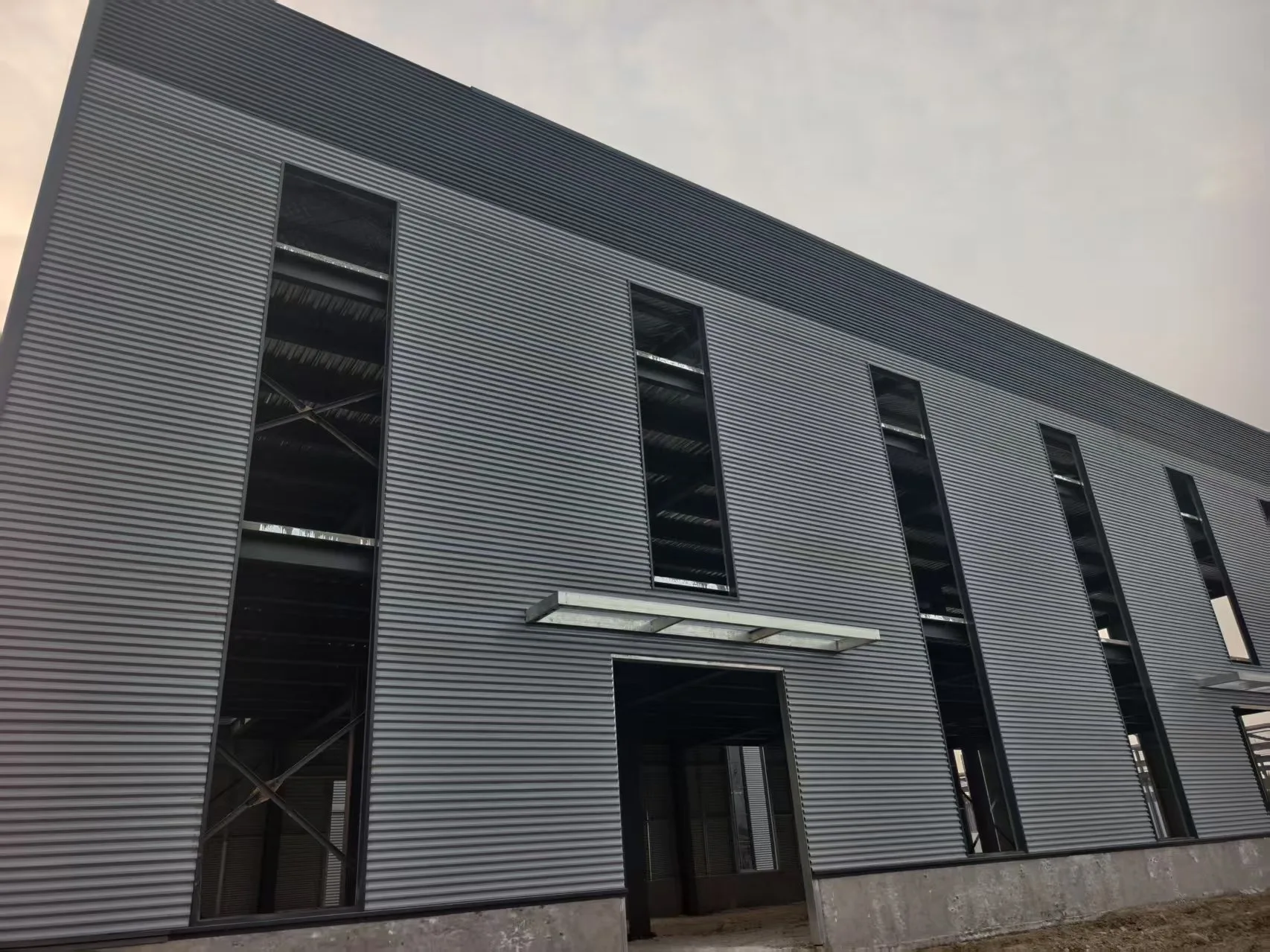
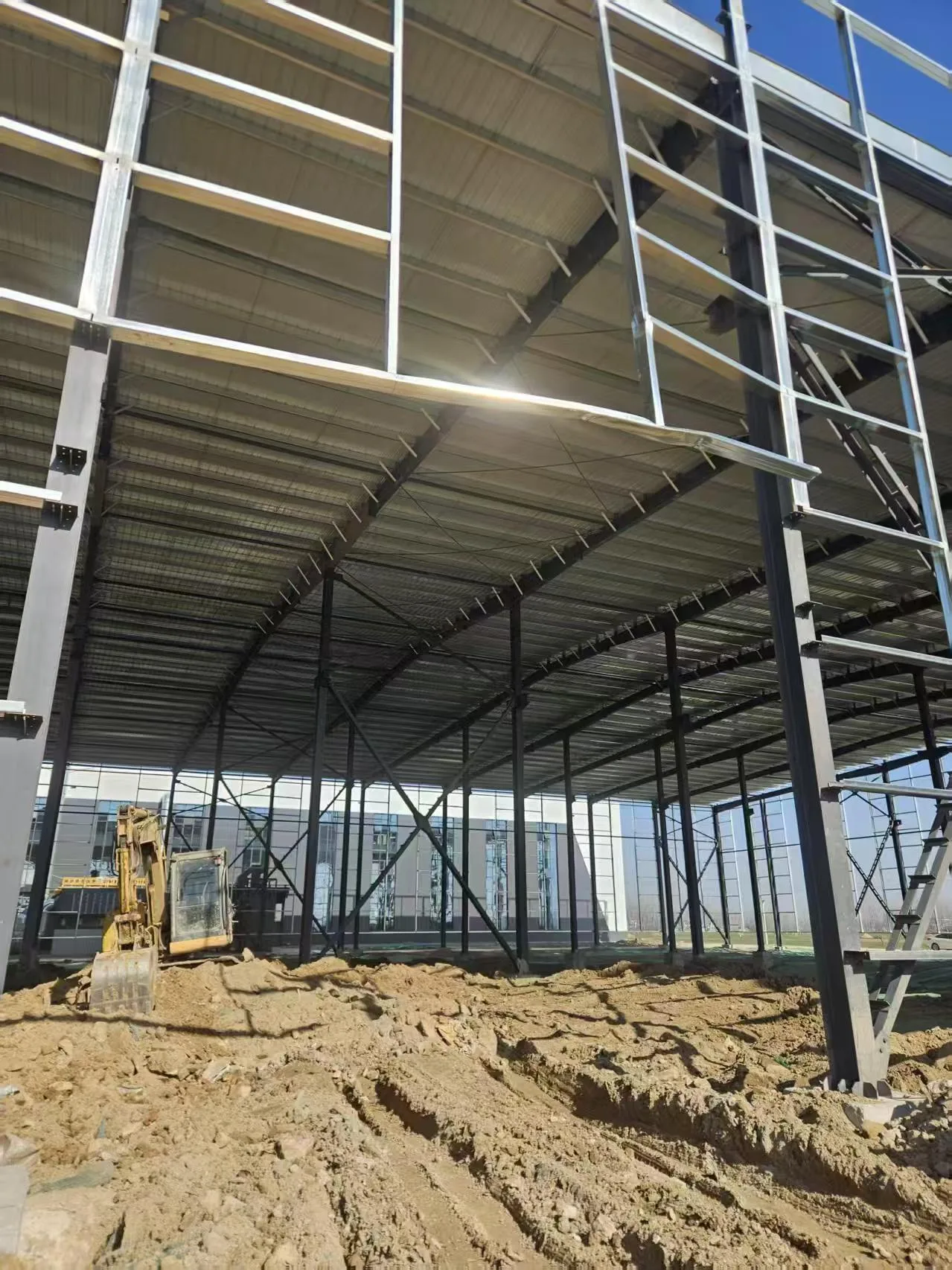
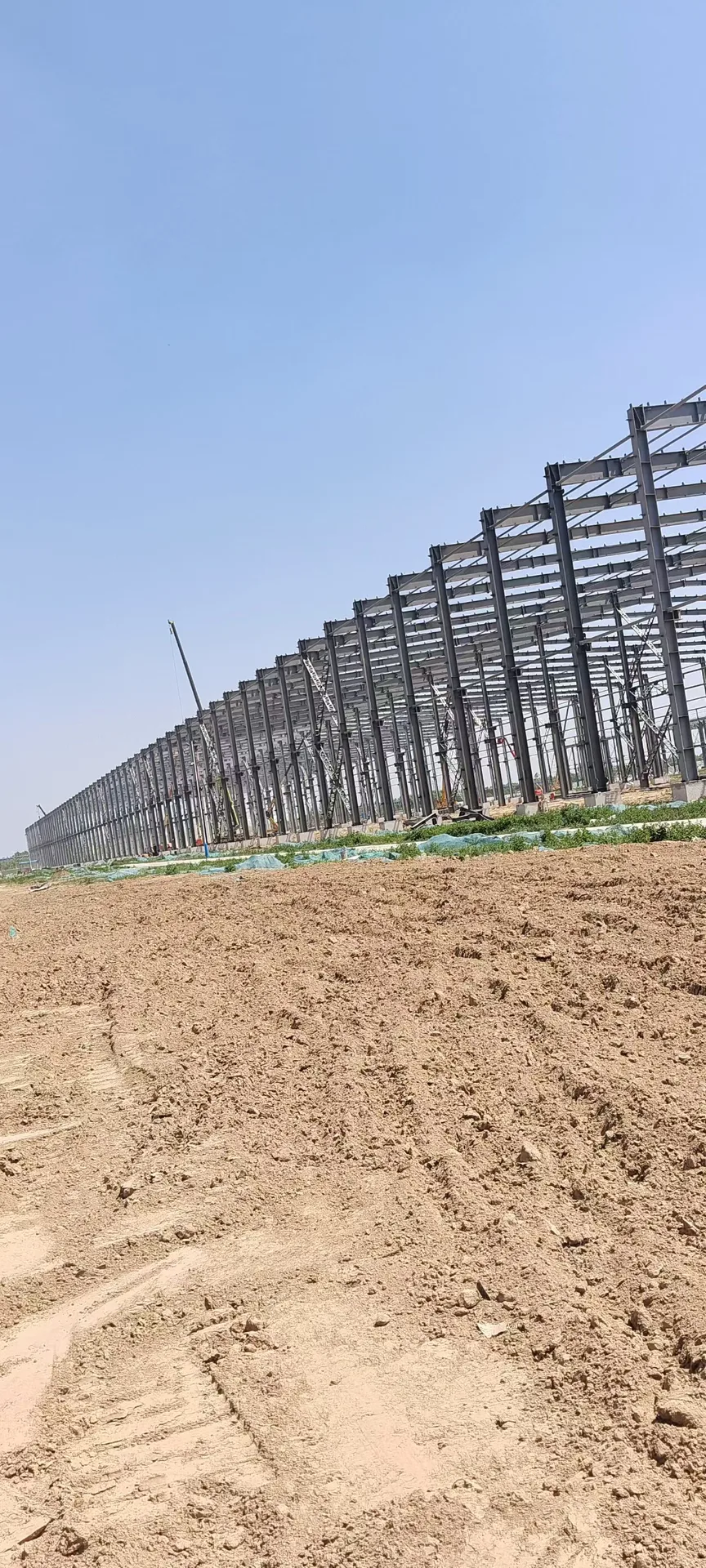
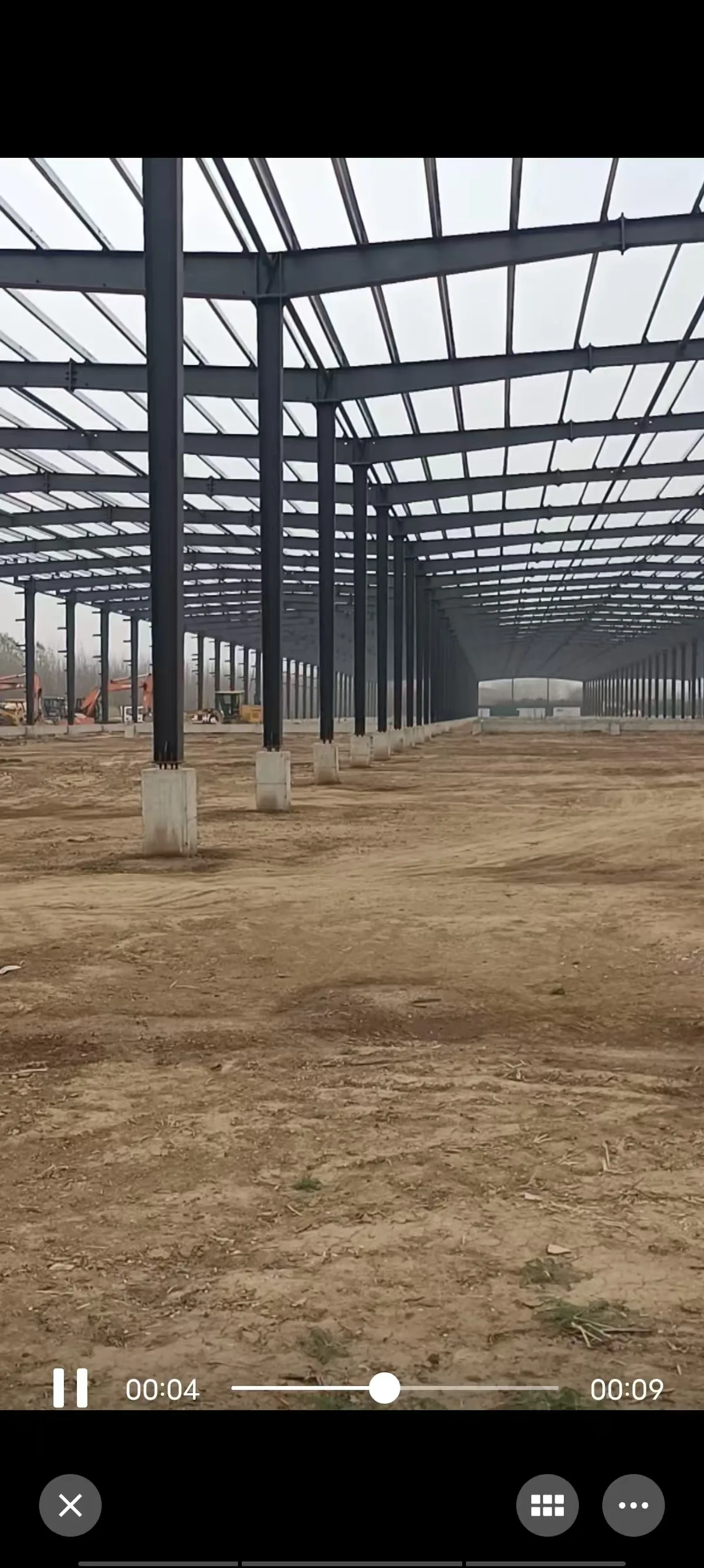
More project photos available upon request. Contact our team for the full project gallery including factory fabrication, container loading, and on-site erection photos.
Customer Feedback
"Laotie Steel delivered a high-quality structure that fully complies with Australian standards. The engineering team was responsive, the fabrication was precise, and the on-site erection went smoothly. We highly recommend them for any steel warehouse project in Australia."
David Mitchell
Project Manager, Perth Agricultural Processing Plant
Frequently Asked Questions
How much does a 120m × 60m industrial warehouse cost in Sydney?▼
For a 7,200 m² industrial warehouse like our Sydney project, the supply-only cost from Laotie Steel is typically AUD 650-750 per m² (FOB Shanghai). Including Australian customs duties (5%), GST (10%), sea freight (Shanghai to Sydney: approximately AUD 15,000-20,000 per container), and local erection (AUD 80-120/m²), the total delivered-and-erected cost is approximately AUD 850-1,000 per m². Local Sydney fabrication would typically quote AUD 1,100-1,300 per m² for equivalent specification.
Do your steel warehouses comply with Australian AS/NZS and BCA requirements?▼
Yes. Every Laotie steel structure for the Australian market is designed to AS 4100-1998 (Steel Structures) and AS/NZS 1170.2 (Wind Loads). We provide full calculation reports prepared by Australian-chartered engineers. Our designs also comply with relevant BCA (Building Code of Australia) requirements for structural adequacy, fire safety, and energy efficiency.
Can you design for 20T overhead crane according to AS 1418?▼
Yes. We design crane runway beams per AS 1418.1 (Cranes - General Requirements). Our designs account for vertical wheel loads (including 1.25 impact factor), longitudinal and lateral crane surge forces, and crane runway beam deflection limits (L/500 maximum vertical deflection). This Sydney project's 20T crane system was fully engineered and certified by our Australian chartered engineering partners.
What is the lead time for a 7,200 m² warehouse from China to Sydney?▼
Total lead time is typically 50-60 days: 22-28 days for fabrication (depending on current production line load), 30-35 days for sea freight to Sydney (Port Botany). We recommend allowing 70 days total from deposit to site delivery for project planning purposes. Express production (15 days) is available at 15% premium.
Do you supply Colorbond roofing for Australian projects?▼
Yes. We supply genuine Colorbond® steel sheeting (manufactured by BlueScope) for all Australian projects. Colorbond is the industry standard in Australia for its corrosion resistance and 25-year warranty. Available colors include Monument, Surfmist, Classic Cream, Pale Eucalypt, and all standard Colorbond palettes. We also supply Colorbond Ultra for coastal applications (within 1km of saltwater).
Can you provide fire-rated steel structures for Australian warehouses?▼
Yes. For this Sydney project, the mezzanine office area required a 2-hour fire rating per AS 1530.4. We applied intumescent paint to all steel members in the fire-rated zone, achieving the required 2-hour rating. Alternatively, we can use fire-rated plasterboard encapsulation or concrete filling of hollow sections, depending on the client's preference and budget.
What foundation design do you provide for Sydney soil conditions?▼
We provide foundation reaction reports that your local geotechnical engineer can use to design suitable foundations. For Sydney's typical soil conditions (sandy clay with 150-200 kPa bearing capacity), our standard foundation design uses 1.5m × 1.5m × 1.0m deep reinforced concrete pads with M36 anchor bolts. We also provide hold-down bolt cage assemblies for accurate anchor bolt positioning.
Do you provide on-site erection supervision in Australia?▼
Yes. We can provide one of our senior engineers for on-site erection supervision at AUD 3,500 per day (including travel and accommodation). Our engineer will verify foundation preparation, oversee critical connection installations, and provide erection sequence guidance. Alternatively, we can provide a detailed erection manual and video tutorials, allowing a competent local contractor to erect the building without our on-site presence.
What warranty do you provide for steel structure projects in Australia?▼
Laotie Steel provides a 15-year structural warranty on all steel members and connections. Colorbond roofing carries BlueScope's 25-year warranty. Sandwich panels carry a 10-year warranty on thermal and structural performance. All warranties are backed by our Australian insurance-backed warranty bond for projects over AUD 500,000. We also provide a 5-year coating warranty (against peeling, cracking, or excessive fading).
Can you help with Australian council approval and building permits?▼
We provide all structural calculations, engineering certifications, and documentation required for council submission. However, the actual council approval process must be managed by your local building certifier or appointed consultant. We can recommend experienced Australian building certifiers who are familiar with our structural designs and can expedite the approval process.
Ready to Start Your Steel Warehouse Project?
Planning an industrial warehouse in Sydney or across Australia? Get a free preliminary design and budget estimate within 24 hours. Share your site dimensions, local design code requirements (AS/NZS 1170 wind region), crane requirements, and intended use — our engineering team will prepare a customized proposal with AS/NZS-compliant calculations.
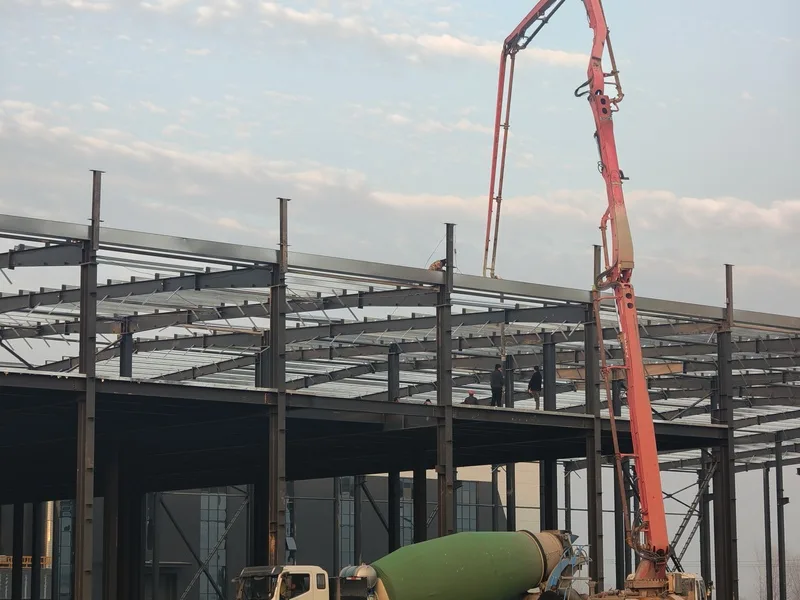
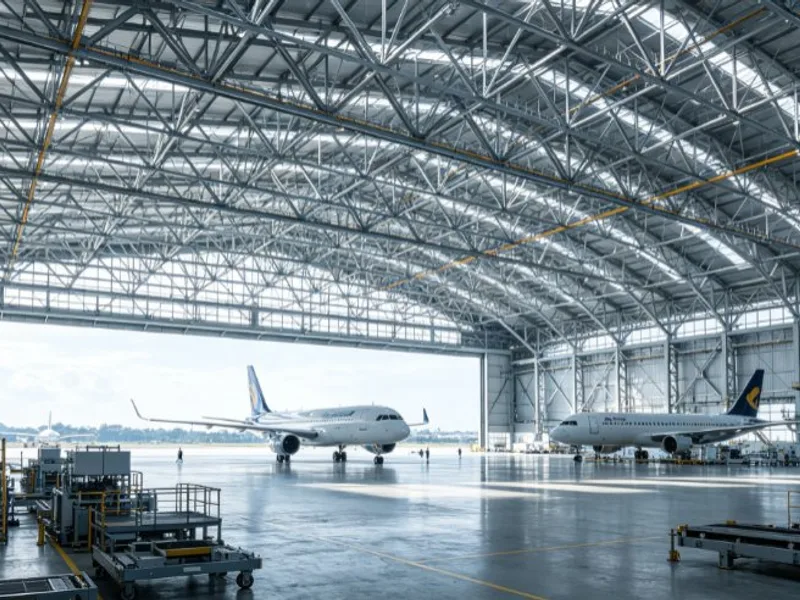
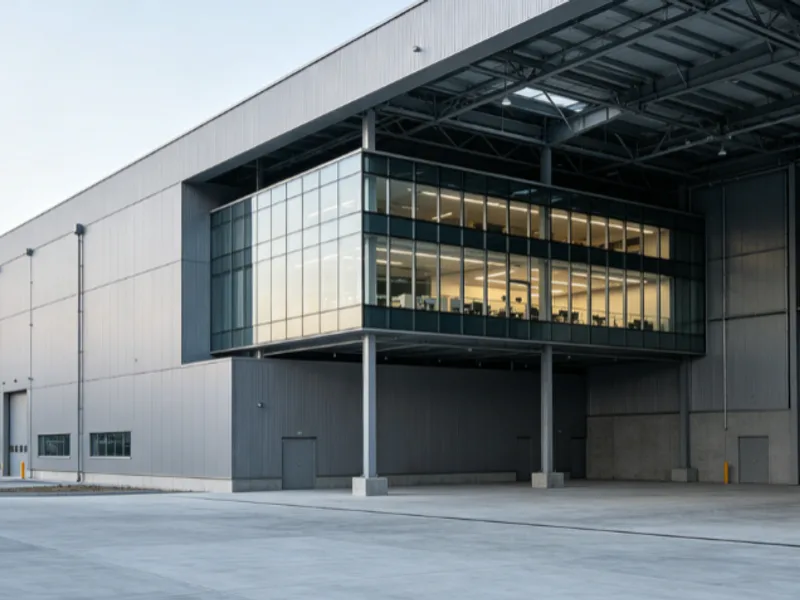
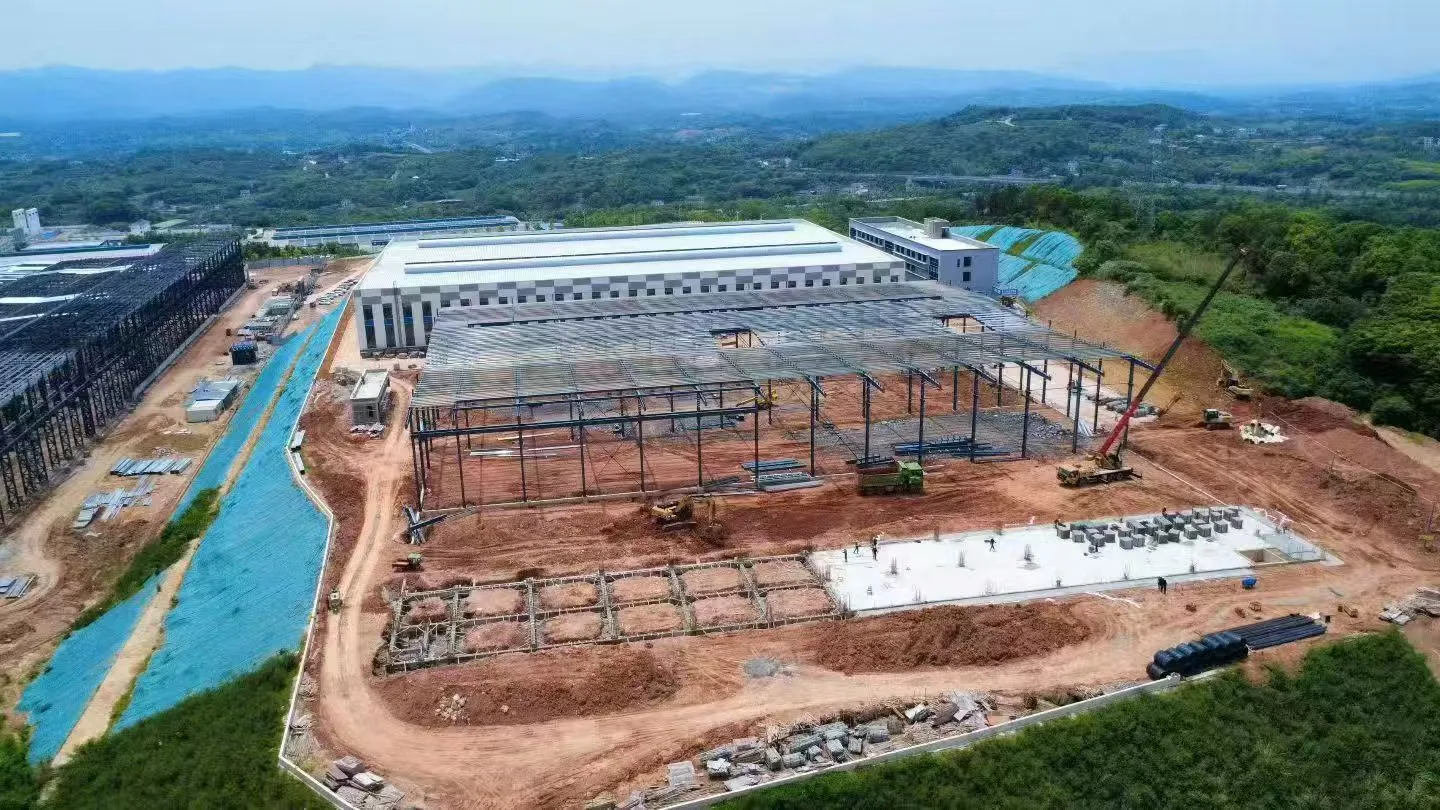
This Sydney industrial warehouse demonstrates Laotie Steel's capability to deliver large-span, code-compliant steel structure solutions to the Australian market. From SkyCiv-powered structural design to precision CNC fabrication and optimized container shipping, every stage of this project was managed to ensure the client received a structure that meets Australian standards at a competitive price.
Whether you are planning a 1,000 m² logistics shed or a 20,000 m² distribution center, our 5 production lines and 15+ years of export experience ensure your project will be delivered on time, on budget, and fully compliant with your local building codes.