Agricultural Steel Buildings: Types, Costs & Design Guide
Compare steel farm buildings for grain storage, livestock, machinery & poultry. Learn costs per square meter, design considerations, and why steel
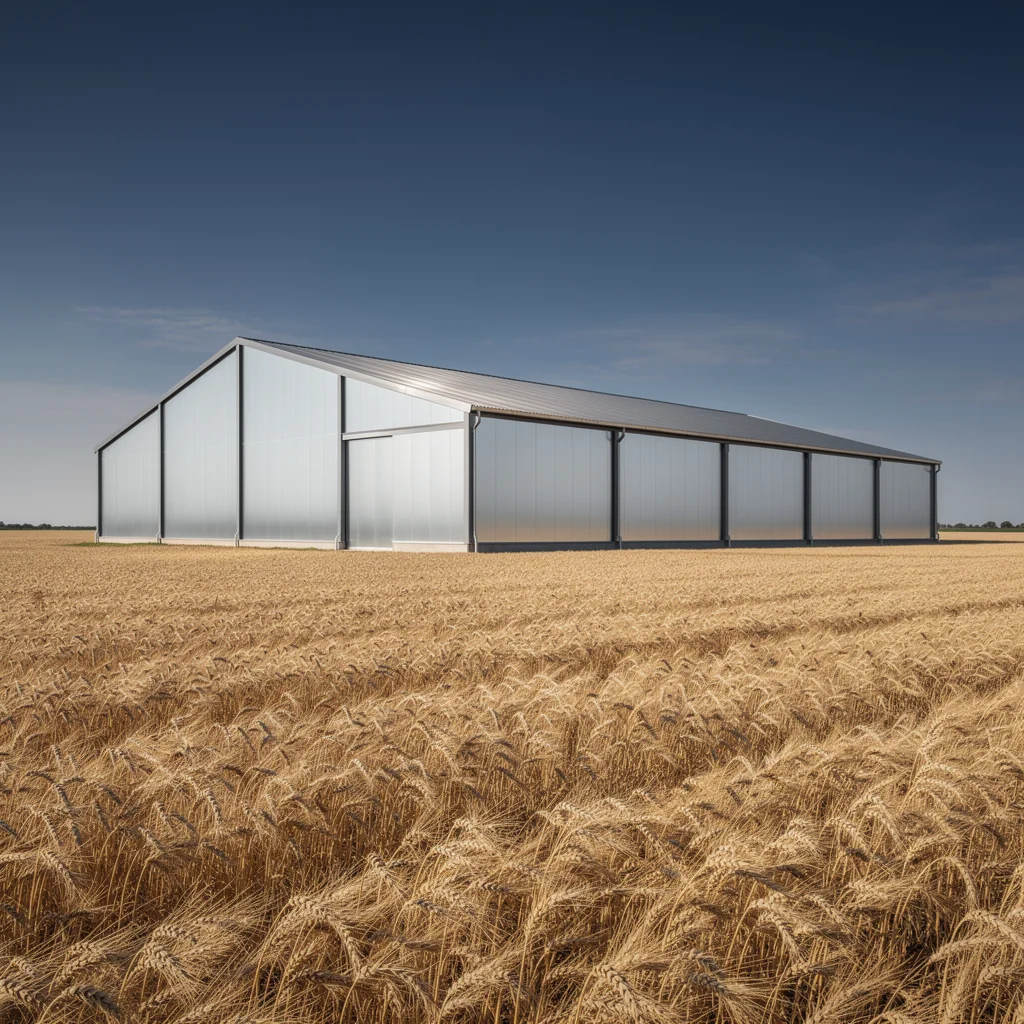
When farmers and agribusiness owners plan new buildings, they face a critical question: steel, wood, or concrete?
For decades, timber and concrete dominated agricultural construction. But steel structures have become the preferred choice for modern farms globally — offering longer clear spans, faster construction, lower lifetime costs, and better resistance to fire, pests, and weather.
This guide covers everything you need to know about agricultural steel buildings: types, costs, design considerations, and how to choose a manufacturer.
Why Steel for Agricultural Buildings?
Farm buildings have unique requirements that make steel an ideal choice:
| Feature | Steel Structure | Wood Frame | Concrete Block | |---------|:------------:|:--------:|:-----------:| | Max Clear Span | 60m+ | 12-18m | 8-15m | | Construction Time | 4-8 weeks | 8-16 weeks | 12-24 weeks | | Lifespan | 50+ years | 20-30 years | 50+ years | | Fire Resistance | Excellent (non-combustible) | Poor | Excellent | | Pest Resistance | Excellent | Termite-prone | Good | | Maintenance | Low (galvanized) | Moderate-High | Low | | Cost per m² | $$ | $ | $$$ |

Common Types of Agricultural Steel Buildings
1. Grain Storage & Silo Buildings
Grain requires dry, ventilated storage with precise environmental control. Steel structures offer:- Airtight designs for fumigation and moisture control
- Large clear spans up to 40m for efficient stacking
- Integrated ventilation systems
- Modular expandability for growing harvests
2. Livestock Barns & Poultry Houses
Modern animal housing demands controlled environments for optimal growth:- Open-sided designs for natural ventilation (cattle, sheep)
- Fully enclosed insulated panels for poultry and piggeries
- Easy-to-clean surfaces meeting biosecurity standards
- Integrated feeding and watering systems
3. Machinery & Equipment Sheds
Farm equipment requires secure, dry storage:- Wide door openings for large tractors and combines
- High clearance (5-8m eave height) for tall equipment
- Lean-to options for attachments and implements
- Natural lighting via translucent roof panels to reduce electricity costs
4. Cold Storage & Processing Facilities
Value-added agricultural processing needs temperature-controlled spaces:- Insulated sandwich panel enclosures (PU/PIR foam core)
- Multi-zone temperature control rooms
- Forklift-compatible flooring and loading docks
- USDA/FDA-compliant interior finishes for food processing

Design Considerations for Agricultural Steel Buildings
Clear Span vs. Column-Supported
Agricultural buildings benefit from column-free interiors:- Clear span: No interior columns — ideal for grain storage, machinery, and open livestock areas
- Column-supported: Lower cost for large buildings where interior columns are acceptable (e.g., multi-bay poultry houses)
Ventilation & Natural Light
Proper airflow prevents moisture buildup, mold, and heat stress:- Ridge ventilators for passive airflow
- Side-wall curtain systems for open barns
- Translucent FRP skylight panels (typically 5-10% of roof area)
- Full-length ridge vents for poultry and pig operations
Corrosion Protection
Agricultural environments can be corrosive:- Hot-dip galvanizing (HDG): Best for livestock areas with ammonia exposure
- Zinc-aluminum coating: Good general protection, lower cost
- Epoxy paint systems: For food processing areas requiring wash-down compliance
Foundation Requirements
Agricultural buildings typically need simpler foundations than industrial structures:- Concrete strip footings: For light-duty machinery sheds
- Pier and beam: For open-sided livestock barns
- Reinforced slab: For heavy grain storage and processing areas
Cost Breakdown
| Component | Percentage of Total | Notes | |-----------|:------------------:|-------| | Steel Frame & Cladding | 40-50% | Main structure, columns, rafters, purlins | | Foundation & Floor | 15-25% | Varies with soil conditions | | Insulation | 8-12% | Required for climate-controlled buildings | | Doors & Openings | 5-10% | Sliding doors, roll-up doors, ventilation louvers | | Installation/Erection | 12-18% | Local labor costs vary significantly | | Delivery & Logistics | 5-10% | Depends on distance to port/ site |
FAQ
Q: Is steel more expensive than wood for farm buildings? A: The initial material cost of steel is higher than timber, but when you factor in longer lifespan (50+ years vs 20-30), lower maintenance, and lower insurance premiums (steel is non-combustible), steel is typically more cost-effective over the building's life.
Q: Can I expand a steel agricultural building later? A: Yes. Steel structures are modular by design. Most manufacturers design with future expansion in mind — you can extend the building length, add lean-tos, or increase height by adding column extensions.
Q: What steel grade is used for agricultural buildings? A: Q235B (China) or S235JR (Eurocode) for secondary members, Q355B/S355JR for primary frames. Galvanized steel (Z275 or higher) is recommended for livestock applications.
Q: How long does it take to erect a steel farm building? A: A typical 1,500m² agricultural building takes 3-5 weeks for a crew of 4-6 workers, including foundation curing time. Pre-engineered buildings arrive with bolted connections for faster assembly.
Q: Do I need planning permission for agricultural steel buildings? A: Requirements vary by country. Many jurisdictions have relaxed rules for agricultural structures under a certain size (e.g., <500m²). Always check with local authorities before ordering.
How to Choose a Manufacturer
- Look for agricultural experience: Ask for completed farm building projects, not just industrial warehouses
- Verify certifications: ISO 9001, CE (EN 1090), and relevant agricultural standards
- Request a detailed quote: Should include steel grade, coating spec, bolt connections, and erection manual
- Check references: Talk to previous agricultural clients about their experience
- Compare total cost: Include delivery, customs clearance, and erection — not just the steel price
*Related articles:* How to Choose a Reliable Steel Structure Manufacturer · Steel Structure Cost Guide 2025
Related Articles
Steel Warehouse Quotation: 10 Questions to Ask
10 questions every buyer must ask before ordering a steel warehouse. Compare quotes apple-to-apple: steel grade, tonnage, surface treatment, inclusions
Why Choose a Chinese Steel Structure Manufacturer
Discover why global buyers are turning to Chinese steel structure factories for their construction projects — from competitive pricing to CE/ISO certified
Need a Steel Structure?
Get a free quote from our engineering team. We respond within 2 hours.
Request a QuoteStay Updated
Get steel structure tips, cost guides, and industry insights delivered to your inbox.
No spam. Unsubscribe anytime.